Instant
01 · Ask
Ask the AI a follow-up
Got more questions about sofa and Furniture Sanitising? Describe the bit you're unsure about — the AI explains options, sequencing and what to ask the carpet & upholstery cleaning.

Hot-water extraction or low-moisture clean — pet smells, food and general soil tackled.
You've read the brief on sofa and Furniture Sanitising. Now lean on us to find the right carpet & upholstery cleaning — and stay in control of the job.
Got more questions about sofa and Furniture Sanitising? Describe the bit you're unsure about — the AI explains options, sequencing and what to ask the carpet & upholstery cleaning.
Costs, timelines, pitfalls and the right questions to ask before any carpet & upholstery cleaning starts on sofa and Furniture Sanitising.
Itemised quotes from up to 3 local carpet & upholstery cleanings on sofa and Furniture Sanitising — so you can compare like-for-like, not lump sums.
Ready when you are
Enter your postcode and get free quotes from local pros.
Four moves that separate a smooth job from a nightmare.
If the fabric stays damp for more than 24 hours, it can develop a musty odour or permanent mildew.
Usually caused by using water that is too hot on natural fibres like cotton or linen.
Stains that appear to vanish but return as the sofa dries; a professional will use specialised drying techniques to prevent this.
Low-quality detergents can leave a "sticky" film that actually attracts dirt faster after the clean.
Indicative UK ranges and what affects price.
By job type
Quote spread is typically ± 18% — always get 3 quotes.
Carpet & Upholstery Cleaning quick-view
Carpet & Upholstery Cleaning explained
Modern sanitising techniques use high-temperature steam or hospital-grade antimicrobial treatments to neutralise pathogens without damaging delicate fibres. This guide covers everything from current UK pricing to the specific regulations that ensure your home remains safe and hygienic.
Prices for furniture sanitising in the UK vary based on the size of the item and the complexity of the fabric. Specialist materials like velvet or silk require dry-cleaning methods which often command a premium.
| Item | Low £ | High £ | Notes |
|---|---|---|---|
| Armchair | £40 | £65 | Includes back and seat cushions. |
| 2-Seater Sofa | £70 | £100 | Standard fabric types. |
| 3-Seater Sofa | £90 | £130 | Most common UK residential job. |
| L-Shaped / Corner Sofa | £140 | £210 | Varies by number of modules. |
| Dining Chair | £10 | £20 | Usually a minimum quantity applies. |
| Minimum Call-Out Fee | £60 | £90 | Covers travel and initial setup. |
Factors affecting the final quote include your location (London and the SE are typically 20% higher), the level of staining, and whether you opt for additional stain protection treatments (like Scotchgard) after the sanitisation process.
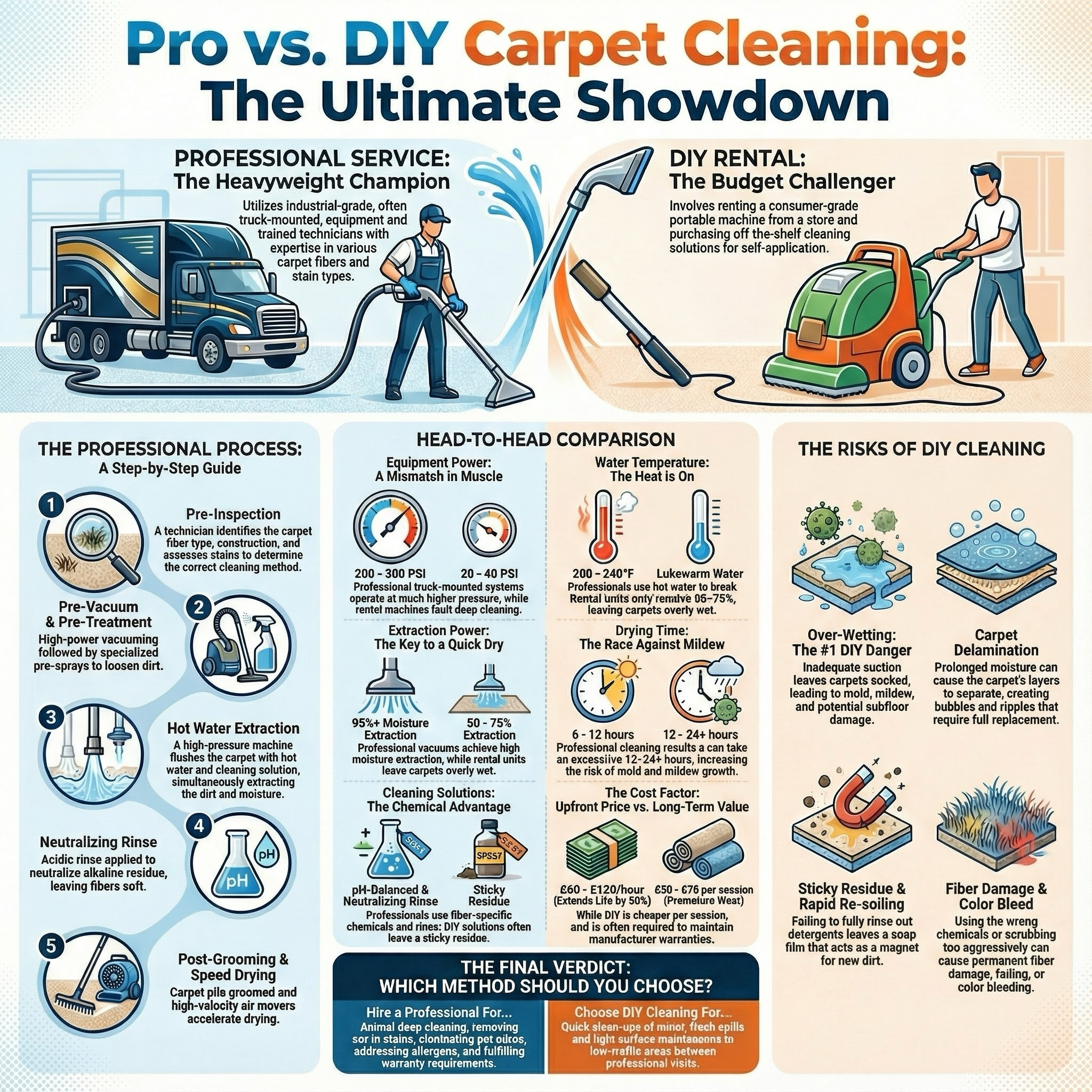
While DIY upholstery cleaners are available for hire, they often lack the suction power and heat required for true sanitisation. Excess water from amateur machines is a leading cause of mould growth and "browning" in sofa fabrics. Professionals use commercial-grade equipment that extracts 90% of moisture and uses regulated chemicals that are safe for children and pets. For any item worth more than £500, or for delicate fabrics like wool or viscose, a professional is highly recommended to avoid permanent water marking.
Pro Tip: Always ask for an "all-inclusive" price. Some budget operators may quote a low price and then add surcharges for "heavy soiling" or "sanitising solution" once they arrive.
It is best to wait until the fabric is completely dry to the touch, which usually takes 4 to 8 hours. Sitting on a damp sofa can cause new stains to set or flatten the pile of the fabric.
Professional sanitising is very effective at removing surface odours. However, if pet urine has soaked deep into the internal foam or wooden frame, a more intensive enzyme treatment may be required.
Most reputable UK cleaners use "non-biological" and biodegradable solutions. Always inform your technician beforehand so they can select the mildest effective sanitiser for your household.
Sanitising focuses on hygiene and bacteria. While the process removes most dirt, "permanent" stains like hair dye, bleach, or old ink may require specialist restoration rather than just a deep clean.
For most UK households, once every 12 to 18 months is sufficient. If you have pets, allergies, or young children, you may find an annual clean is necessary to maintain hygiene levels.
This guide was written with AI assistance and is intended for general information only. Prices are estimates based on UK averages and may vary by region. Always get at least three quotes and consult a qualified professional before starting any work.
Ask follow-ups in plain English. The AI explains options, sequencing and what to ask the carpet & upholstery cleaning — so you walk in informed.
For UK homeowners and professional cleaners alike, a carpet cleaning machine is a significant investment. Whether it is a high-end domestic model or a professio...
READ GUIDE →GuideProfessional carpet and upholstery cleaning is more than just a cosmetic fix for a tired-looking room. In the UK, where damp weather and high footfall are commo...
READ GUIDE →GuideMaintaining a clean office carpet is essential for more than just aesthetics. In the UK, where damp weather is common, commercial carpets act as a giant filter,...
READ GUIDE →GuideWool carpets are a premium investment for UK homeowners, offering natural durability, fire resistance, and superior insulation. However, wool is a delicate prot...
READ GUIDE →GuideProfessional carpet cleaning is more than just a cosmetic fix; it is a vital maintenance task for any UK home. High-quality cleaning removes deep-seated allerge...
READ GUIDE →GuideRiser recliner chairs are significant investments, often costing thousands of pounds and serving as essential mobility aids for UK homeowners. Unlike standard a...
READ GUIDE →