Instant
01 · Ask
Ask the AI a follow-up
Got more questions about back garden grass cutting? Describe the bit you're unsure about — the AI explains options, sequencing and what to ask the grass cutting.

Standard lawn cut, edges trimmed and clippings bagged or composted.
You've read the brief on back garden grass cutting. Now lean on us to find the right grass cutting — and stay in control of the job.
Got more questions about back garden grass cutting? Describe the bit you're unsure about — the AI explains options, sequencing and what to ask the grass cutting.
Costs, timelines, pitfalls and the right questions to ask before any grass cutting starts on back garden grass cutting.
Itemised quotes from up to 3 local grass cuttings on back garden grass cutting — so you can compare like-for-like, not lump sums.
Ready when you are
Enter your postcode and get free quotes from local pros.
Four moves that separate a smooth job from a nightmare.
Cutting the grass too short in dry weather can kill the crown of the plant and lead to bare brown patches.
Mowing very wet grass can compact the soil and create "clumping," which smothers the grass underneath.
Toys, dog mess, or hidden tree stumps can damage machinery or cause safety risks; always clear the lawn before the gardener arrives.
Letting grass grow too long between cuts (the "one-third rule") stresses the plant and encourages moss growth.
Indicative UK ranges and what affects price.
By job type
Quote spread is typically ± 18% — always get 3 quotes.
Grass Cutting quick-view
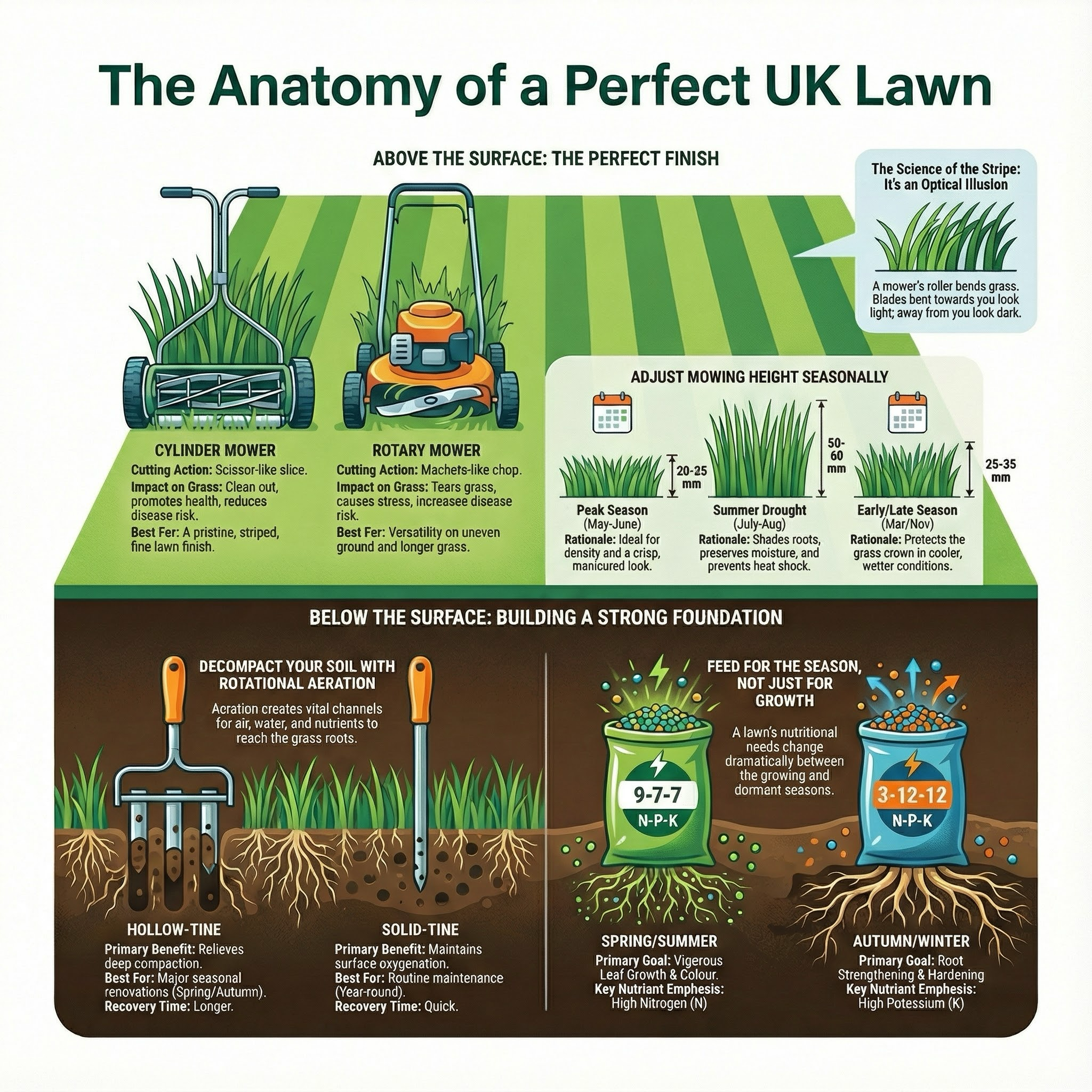
Grass Cutting explained
Hiring a professional gardener ensures your lawn is cut to the correct height for the season, promoting root health and preventing weed encroachment. Whether you have a small urban patch or an expansive rural lawn, professional services provide the crisp finish and "stripes" that domestic mowers often struggle to achieve.
Pricing for grass cutting in the UK varies based on the size of the lawn, the length of the grass, and your location. Most gardeners offer a discounted rate for regular fortnightly visits compared to a one-off "jungle" clear-out.
| Item | Low £ | High £ | Notes |
|---|---|---|---|
| Small Lawn (up to 50m²) | £30 | £50 | Standard fortnightly maintenance cut. |
| Medium Lawn (50m² - 250m²) | £50 | £90 | Includes strimming and basic edging. |
| Large Lawn (250m²+) | £90 | £250+ | May require ride-on equipment and two staff. |
| Overgrown Grass Surcharge | £40 | £150 | Additional labour for "first cuts" of the season. |
| Green Waste Removal | £10 | £30 | Per bag or load if not using homeowner's bin. |
Factors that increase the price include steep banks, restricted access (e.g., having to carry a mower through a terraced house), and the presence of numerous obstacles like garden ornaments or complex flower beds.
Cutting the grass yourself is the most cost-effective option if you already own a reliable mower and have the physical mobility to use it. However, professional gardeners use commercial-grade machinery that handles wet or thick grass far more effectively than standard domestic models.
Professional gardeners often spot early signs of lawn diseases, leatherjackets, or red thread that a homeowner might miss.
If you choose the professional route, you save on the cost of fuel, mower servicing, and the hassle of disposing of large volumes of green waste. For those with physical limitations or busy schedules, a regular service ensures the lawn never becomes unmanageable.
Not all "mow and go" services are equal. To ensure a high-standard finish and protect your property, look for the following when hiring:
Questions to ask:
While grass cutting is not as heavily regulated as gas or electrical work, there are still standards and laws to consider:
Usually not, provided the gardener has clear access to the back garden via a side gate. Ensure any pets are kept indoors and gates are unlocked on the scheduled day.
Most professionals will postpone the cut if the ground is saturated to avoid "mudding" the lawn or damaging their equipment. They will typically reschedule for the next dry window.
Mulching (leaving fine clippings) can return nutrients to the soil, but only if done frequently with a specialist mower. For most domestic lawns, removing clippings is better to prevent thatch build-up.
During the peak growing season (May to August), once a week or once every fortnight is standard. In early spring and late autumn, once every three to four weeks is usually sufficient.
Yes, but most gardeners request that all pet waste is cleared before they arrive. This is for hygiene reasons and to prevent the mower from spreading waste across the entire lawn.
This is often due to "scalping" if the grass was very long and was cut back too far in one go. It can also happen during heatwaves; a professional should adjust the blade height accordingly.
This guide was written with AI assistance and is intended for general information only. Prices are estimates based on UK averages and may vary by region. Always get at least three quotes and consult a qualified professional before starting any work.
Ask follow-ups in plain English. The AI explains options, sequencing and what to ask the grass cutting — so you walk in informed.
Lawn Treatment Guide Scope of Works Site walk‑through & debris removal – clear stones, toys and branches before machinery starts. Set mower height & cut...
READ GUIDE →GuideRegular lawn mowing is the foundation of a healthy, attractive UK garden. Beyond simple aesthetics, a consistent cutting regime encourages thicker growth, suppr...
READ GUIDE →GuideMaintaining a lawn in the UK’s damp, temperate climate is a year-round commitment that significantly impacts your property's kerb appeal. Professional grass and...
READ GUIDE →GuideA lush, neatly edged lawn is the centrepiece of any British garden, providing a clean backdrop for flower beds and a safe space for families to relax. Keeping o...
READ GUIDE →GuideMaintaining a neat, healthy lawn is a priority for many UK homeowners, but the British climate means grass growth can be aggressive and unpredictable. Professio...
READ GUIDE →GuideMaintaining a lush, healthy lawn is a cornerstone of British homeownership, yet the UK’s damp climate means grass growth can quickly become unmanageable. Profes...
READ GUIDE →