Instant
01 · Ask
Ask the AI a follow-up
Got more questions about install Wooden Shutters? Describe the bit you're unsure about — the AI explains options, sequencing and what to ask the curtains & blinds.

Hardwood plantation or solid panel shutters — measured, made and fitted with a clean hinge reveal.
You've read the brief on install Wooden Shutters. Now lean on us to find the right curtains & blinds — and stay in control of the job.
Got more questions about install Wooden Shutters? Describe the bit you're unsure about — the AI explains options, sequencing and what to ask the curtains & blinds.
Costs, timelines, pitfalls and the right questions to ask before any curtains & blinds starts on install Wooden Shutters.
Itemised quotes from up to 3 local curtains & blindss on install Wooden Shutters — so you can compare like-for-like, not lump sums.
Ready when you are
Enter your postcode and get free quotes from local pros.
Four moves that separate a smooth job from a nightmare.
Occurs if hinges are not properly tensioned or the frame is not securely anchored to the masonry.
Usually caused by poor measurements or choosing the wrong frame type for the window depth.
Using real wood in high-moisture areas like bathrooms. Always opt for waterproof ABS/Polyvinyl shutters for wet rooms.
If the frame depth isn't calculated correctly, the shutter louvres may hit the window handle when tilted.
Indicative UK ranges and what affects price.
By job type
Quote spread is typically ± 18% — always get 3 quotes.
Curtains & Blinds quick-view
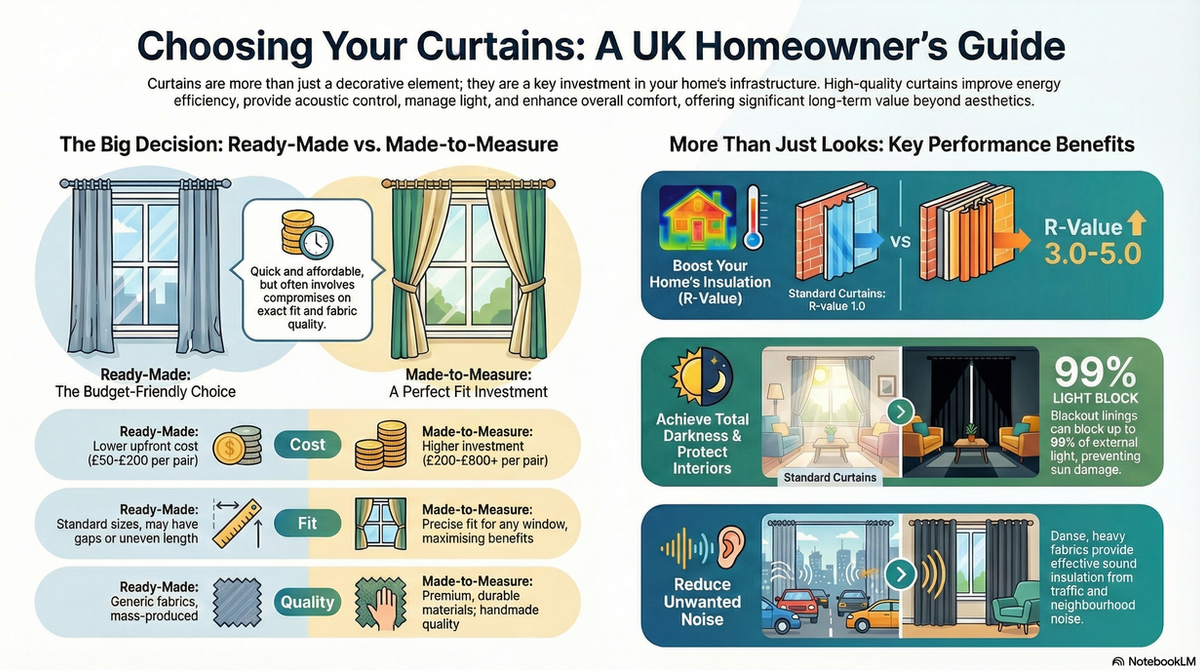
Curtains & Blinds explained
Whether you are fitting shutters to a modern apartment or a period Victorian terrace, the installation requires high levels of precision. Because most wooden shutters are bespoke, the margin for error is slim, making professional installation the preferred choice for most homeowners.
Shutter pricing is typically calculated per square metre. The following estimates include VAT and reflect high-quality hardwood or premium composite options for 2025/26.
| Item / Service | Low £ | High £ | Notes |
|---|---|---|---|
| Small Window (Full Height) | £350 | £600 | Includes materials and labour. |
| Large Window / Patio Door | £800 | £1,500 | Based on hardwood panels. |
| Bay Window (3-5 Sections) | £1,200 | £2,800 | Complex angles increase labour costs. |
| Labour Only (Per Window) | £100 | £250 | If you have pre-purchased the shutters. |
| Survey & Consultation Fee | £0 | £100 | Often deducted from the final bill. |
Prices vary based on the type of wood (Paulownia is popular and lightweight, while Oak is premium), the complexity of the window shape, and whether you opt for custom paint colours or integrated blackout blinds.
While DIY shutter kits are available, they are high-risk. Wooden shutters are heavy and rigid; if your measurements are off by even 3mm, the panels may not close or the frame may not fit the recess. Professional installers carry the liability for measurement errors and have the tools to "scribe" frames into uneven walls common in older UK properties.
Note: Most reputable shutter companies provide a 5-to-10-year warranty, which is often voided if you attempt a self-installation.
MDF shutters are cheaper and very durable but are much heavier, making them unsuitable for very large windows. Hardwood shutters (like Paulownia) are lighter, have a more natural grain, and put less strain on the window frame and hinges.
Yes, shutters can be fitted to uPVC windows using a "Z-frame" that sits on the edge of the recess or an "L-frame" fitted inside. The installer will ensure the fixings do not interfere with the window's opening mechanism.
Shutters provide excellent light control, but they are not 100% blackout because of the small gaps between the louvres and the frame. For total darkness, many UK homeowners opt for "integrated blackout shutters" which feature a honeycomb blind built into the frame.
No, they are actually easier to maintain than fabric blinds. A simple wipe with a microfibre cloth or an ostrich feather duster once a week is usually sufficient to keep them dust-free.
Yes, they act as an extra layer of insulation. When closed, wooden shutters create a pocket of air between the window and the room, which can significantly reduce heat loss during the winter and keep rooms cooler in the summer.
This guide was written with AI assistance and is intended for general information only. Prices are estimates based on UK averages and may vary by region. Always get at least three quotes and consult a qualified professional before starting any work.
Ask follow-ups in plain English. The AI explains options, sequencing and what to ask the curtains & blinds — so you walk in informed.
Installing conservatory blinds is one of the most effective ways for UK homeowners to reclaim their living space. While conservatories offer beautiful light, th...
READ GUIDE →GuideVenetian blinds are a staple in UK homes, offering a classic look with excellent light control. However, because they rely on a complex system of cords, pulleys...
READ GUIDE →GuideProfessional curtain installation is about more than just aesthetics; it ensures your window treatments are level, secure, and operate smoothly. For UK homeowne...
READ GUIDE →GuideA snapped or frayed curtain cord can render even the most expensive window dressings useless. In the UK, many homes still rely on corded tracks or Roman blind s...
READ GUIDE →GuideVertical blinds are a practical and popular choice for UK homes, particularly for large patio doors and bay windows. While they are durable, the moving parts wi...
READ GUIDE →GuideConservatories are a fantastic way to add light and space to your home, but without the right blinds, they often become unusable—acting like a greenhouse in sum...
READ GUIDE →