Instant
01 · Ask
Ask the AI a follow-up
Got more questions about back garden lawn mowing? Describe the bit you're unsure about — the AI explains options, sequencing and what to ask the grass cutting.

Standard cut and edge — regular weekly or fortnightly visit by a local gardener.
You've read the brief on back garden lawn mowing. Now lean on us to find the right grass cutting — and stay in control of the job.
Got more questions about back garden lawn mowing? Describe the bit you're unsure about — the AI explains options, sequencing and what to ask the grass cutting.
Costs, timelines, pitfalls and the right questions to ask before any grass cutting starts on back garden lawn mowing.
Itemised quotes from up to 3 local grass cuttings on back garden lawn mowing — so you can compare like-for-like, not lump sums.
Ready when you are
Enter your postcode and get free quotes from local pros.
Four moves that separate a smooth job from a nightmare.
Cutting the grass too short can expose the soil, leading to moss growth and weed infestation.
This leads to uneven cuts, clumping, and can potentially damage the soil structure through compaction.
Dull blades tear the grass rather than cutting it, leaving the lawn with a brown, ragged appearance.
Tree roots, hidden stones, or metal pegs can cause expensive damage to mower blades and crankshafts.
Indicative UK ranges and what affects price.
By job type
Quote spread is typically ± 18% — always get 3 quotes.
Grass Cutting quick-view
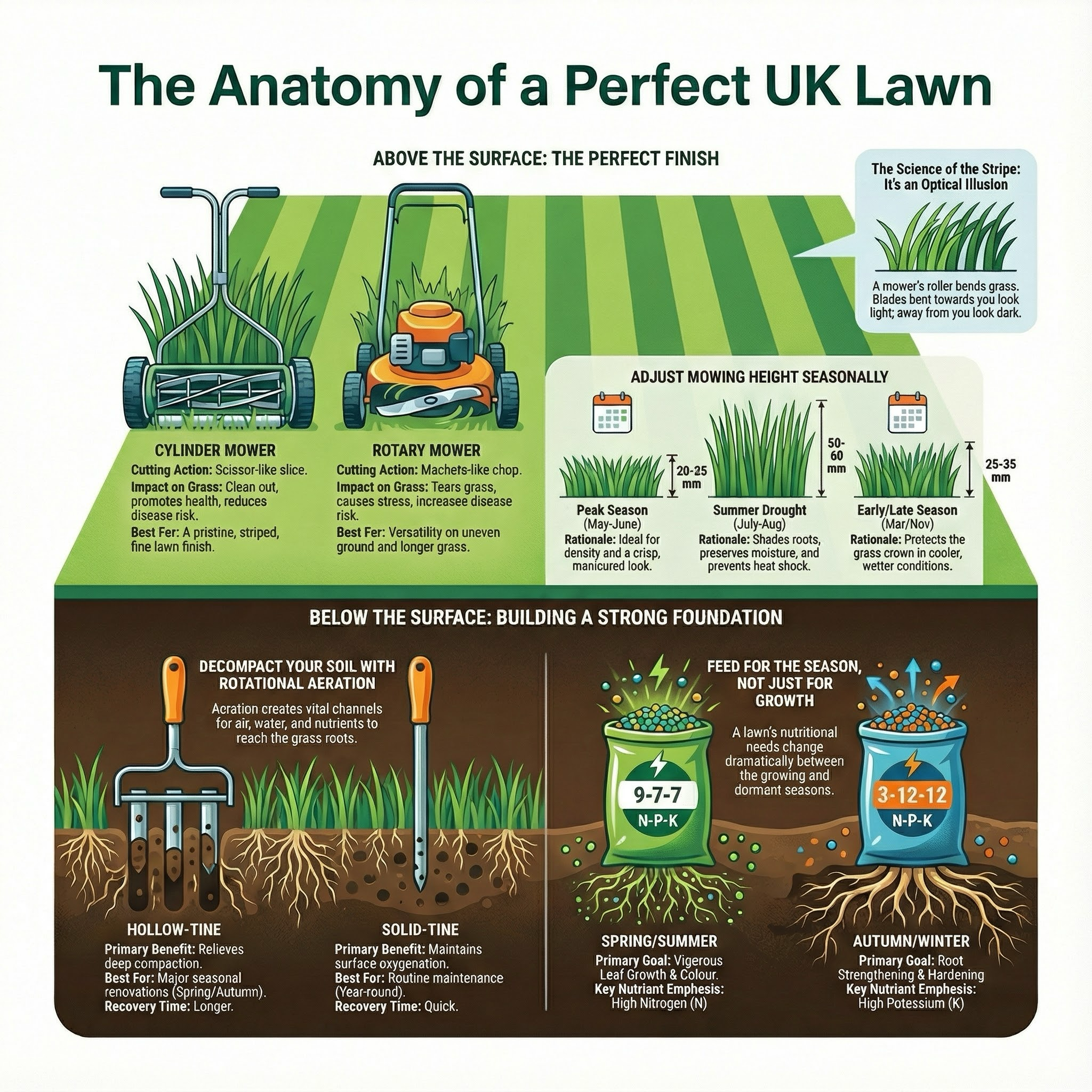
Grass Cutting explained
Beyond simple aesthetics, regular mowing promotes thicker grass growth and helps suppress common weeds and moss. Whether you require a one-off tidy-up for an overgrown "jungle" or a fortnightly maintenance contract, hiring a professional ensures the correct height is maintained for the health of your turf.
Lawn mowing prices in the UK vary based on the size of the garden, the length of the grass, and your location. Most gardeners charge a minimum call-out fee to cover travel and equipment setup costs.
| Item | Low £ | High £ | Notes |
|---|---|---|---|
| Minimum Call-out Fee | £40 | £75 | Covers travel and first 30-45 mins. |
| Small Lawn (up to 50m²) | £30 | £50 | Typical urban terrace garden. |
| Medium Lawn (50m² - 200m²) | £50 | £90 | Standard semi-detached garden. |
| Large Lawn (200m²+) | £90 | £250+ | Priced per hour or by acre. |
| Initial Overgrown Cut | £60 | £150 | Surcharge for very long grass/brush. |
| Green Waste Removal | £15 | £45 | Per load/bag if not using your bin. |
Factors affecting the price include the frequency of visits—fortnightly visits are usually cheaper per mow than one-off jobs. Steep slopes, restricted access (e.g., carrying a mower through a house), and the complexity of the lawn's shape will also influence the final quote.
The time required depends heavily on the equipment used and the condition of the grass. A professional with a wide-deck petrol mower will work significantly faster than a DIYer with a small electric model.
Mowing the lawn is a common DIY task, but many homeowners opt for professional help to save time and achieve a superior finish. Professionals use high-end machinery that provides a cleaner cut, which is better for the health of the grass blades.
Hiring a professional is particularly beneficial if you have a large garden or struggle with green waste disposal, as they can often take the clippings away for you.
If you choose to DIY, ensure you follow safety protocols: never mow in the rain, wear sturdy footwear, and keep children and pets indoors. For petrol mowers, be aware of fuel storage safety and regular engine maintenance requirements.
When looking for a gardener, reliability and consistency are key. A great lawn relies on a regular schedule, so you need someone who will turn up as promised.
While lawn mowing isn't strictly regulated like gas or electrical work, there are standards and laws to keep in mind regarding noise and waste.
During the peak growing season (April to September), fortnightly cuts are standard for most UK gardens. If you want a "bowls green" finish, weekly cuts may be necessary, while once a month may suffice in very dry periods or early spring.
It is generally avoided. Mowing wet grass results in a poor finish, clumps of clippings that can smother the lawn, and a higher risk of the mower "smearing" the mud, which damages the turf.
Leaving clippings (mulching) can return nutrients to the soil, but it should only be done if the grass is short. If the grass is long, the clippings will form a thick mat that blocks sunlight and encourages moss.
The first cut usually takes longer because the grass is thicker and wetter after winter. It often requires two passes at different heights and generates significantly more green waste than a standard maintenance cut.
As long as the gardener has clear access to the back garden and any pets are kept indoors, you do not usually need to be present. Most regular clients provide a side gate key or code.
For a standard domestic lawn, a height of 2.5cm to 5cm is ideal. In summer droughts, it is better to leave the grass slightly longer (around 6-7cm) to help the soil retain moisture.
This guide was written with AI assistance and is intended for general information only. Prices are estimates based on UK averages and may vary by region. Always get at least three quotes and consult a qualified professional before starting any work.
Ask follow-ups in plain English. The AI explains options, sequencing and what to ask the grass cutting — so you walk in informed.
Lawn Treatment Guide Scope of Works Site walk‑through & debris removal – clear stones, toys and branches before machinery starts. Set mower height & cut...
READ GUIDE →GuideRegular lawn mowing is the foundation of a healthy, attractive UK garden. Beyond simple aesthetics, a consistent cutting regime encourages thicker growth, suppr...
READ GUIDE →GuideMaintaining a lush, healthy lawn is a priority for many UK homeowners, but the British climate often makes grass cutting a relentless chore. Between the "spring...
READ GUIDE →GuideMaintaining a lawn in the UK’s damp, temperate climate is a year-round commitment that significantly impacts your property's kerb appeal. Professional grass and...
READ GUIDE →GuideA lush, neatly edged lawn is the centrepiece of any British garden, providing a clean backdrop for flower beds and a safe space for families to relax. Keeping o...
READ GUIDE →GuideMaintaining a neat, healthy lawn is a priority for many UK homeowners, but the British climate means grass growth can be aggressive and unpredictable. Professio...
READ GUIDE →