Instant
01 · Ask
Ask the AI a follow-up
Got more questions about grass cutting and cleaning? Describe the bit you're unsure about — the AI explains options, sequencing and what to ask the grass cutting.

Lawn mowed and garden cleaned — quick refresh for guests or sale.
You've read the brief on grass cutting and cleaning. Now lean on us to find the right grass cutting — and stay in control of the job.
Got more questions about grass cutting and cleaning? Describe the bit you're unsure about — the AI explains options, sequencing and what to ask the grass cutting.
Costs, timelines, pitfalls and the right questions to ask before any grass cutting starts on grass cutting and cleaning.
Itemised quotes from up to 3 local grass cuttings on grass cutting and cleaning — so you can compare like-for-like, not lump sums.
Ready when you are
Enter your postcode and get free quotes from local pros.
Four moves that separate a smooth job from a nightmare.
Cutting grass too short in dry weather, which leads to brown patches and weed invasion.
Using heavy mowers on waterlogged soil, which causes "rutting" and soil compaction.
Tearing the grass rather than cutting it, leaving a frayed, silver-grey appearance that invites disease.
Damage to mower blades or flying debris caused by stones, dog toys, or hidden tree stumps.
Indicative UK ranges and what affects price.
By job type
Quote spread is typically ± 18% — always get 3 quotes.
Grass Cutting quick-view
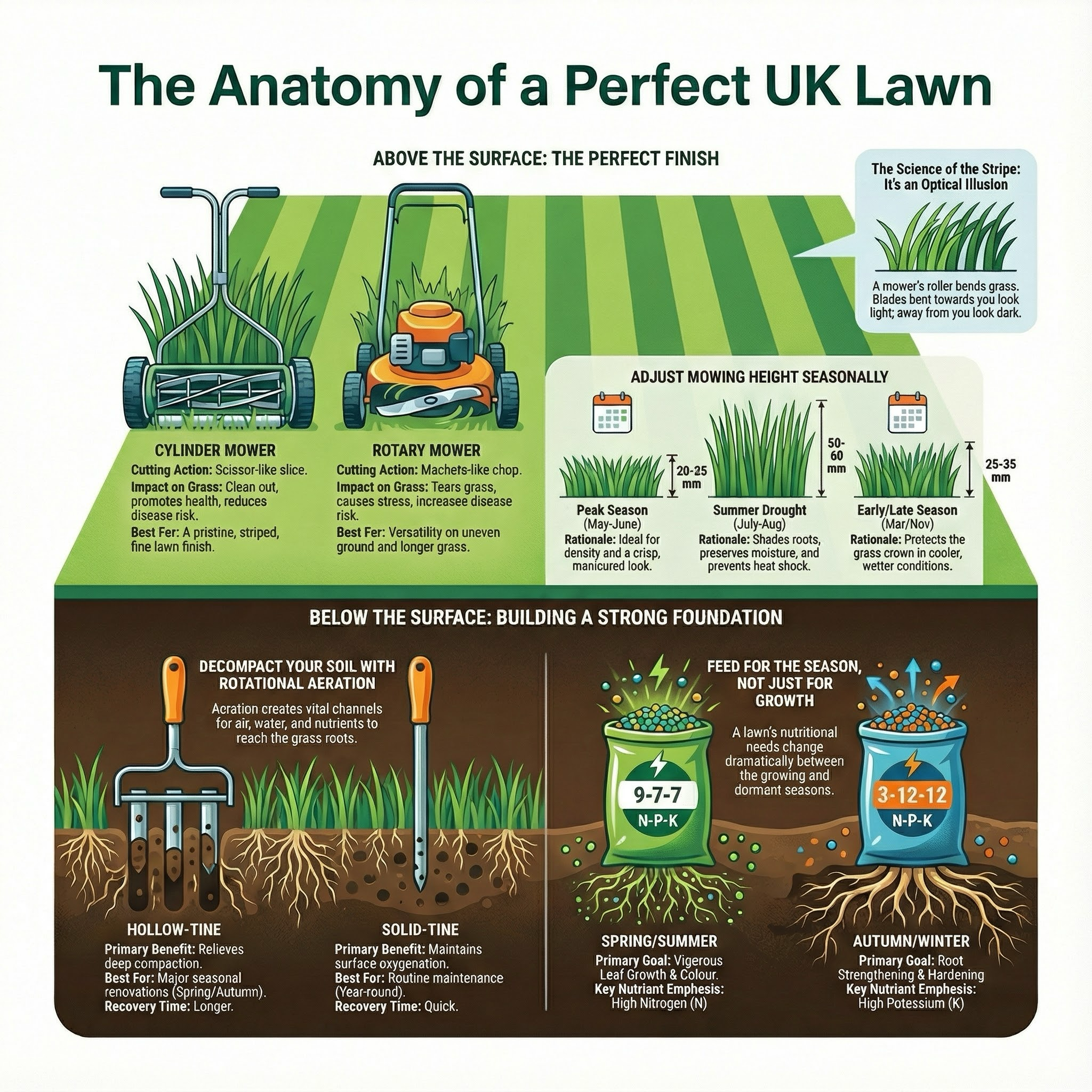
Grass Cutting explained
Beyond aesthetics, a well-kept garden increases kerb appeal and prevents drainage issues caused by leaf litter and debris. Whether you have a small urban patch or a sprawling suburban lawn, professional maintenance ensures the right equipment is used for a finish that DIY domestic mowers often struggle to achieve.
| Item | Low £ | High £ | Notes |
|---|---|---|---|
| Small Lawn (up to 50m²) | £30 | £50 | Basic mow and edge; usually 30-45 mins. |
| Medium Lawn (50m² - 150m²) | £45 | £80 | Standard suburban garden with some edging. |
| Large Lawn (150m²+) | £80 | £150+ | May require ride-on mowers or multiple staff. |
| Overgrown Clearance | £150 | £500 | Heavy-duty brush cutting for "jungle" gardens. |
| Green Waste Removal | £15 | £60 | Cost per load if not using homeowner's bin. |
| Hedge/Path Tidy Add-on | £25 | £75 | Combined service while on-site. |
Prices vary significantly based on your location in the UK, with London and the South East typically seeing rates 20-30% higher. The frequency of visits also affects price; many gardeners offer a discounted rate for regular fortnightly contracts compared to one-off "rescue" jobs.
DIY grass cutting is a staple of British weekend life, but it requires an investment in quality machinery, fuel, and maintenance. Professional gardeners use industrial-grade mowers that provide a cleaner cut and can handle damp grass far more effectively than domestic electric models.
Professional gardeners carry Public Liability Insurance and, crucially, a Waste Carrier Licence, ensuring your garden waste is disposed of legally and responsibly.
If your garden is overgrown or you have physical limitations, hiring a professional prevents the risk of injury and "scalping" the lawn, which can take months to recover. For tasks involving chemical weed killers or high-reach gutter cleaning, professional expertise is strongly recommended for safety and compliance.
Questions to ask:
During the peak growing season (April to September), a fortnightly cut is standard. In May and June, some lawns may require weekly attention, while in winter, growth usually slows enough to stop mowing entirely between November and March.
While possible with professional petrol mowers, it is generally avoided. Mowing wet grass results in an uneven cut, clumping of clippings, and can compact the soil, which harms the lawn's health over time.
Leaving clippings (mulching) returns nutrients to the soil, but only if you mow frequently and the clippings are short. If the grass is long, clippings should be removed to prevent them from smothering the turf and encouraging moss.
This is usually caused by "scalping"—removing more than a third of the grass blade at once. It exposes the stems of the grass which haven't been toughened by the sun, leading to a yellow or brown appearance.
For most domestic lawns, a height of 2.5cm to 4cm (about 1 to 1.5 inches) is ideal. In summer droughts or very shady areas, it is better to leave it slightly longer (around 5cm) to help the grass retain moisture.
Generally, no, provided the gardener has clear access to the garden and any pets are kept indoors. Most regular maintenance contracts are handled while the homeowner is at work, with payment settled via bank transfer.
This guide was written with AI assistance and is intended for general information only. Prices are estimates based on UK averages and may vary by region. Always get at least three quotes and consult a qualified professional before starting any work.
Ask follow-ups in plain English. The AI explains options, sequencing and what to ask the grass cutting — so you walk in informed.
Lawn Treatment Guide Scope of Works Site walk‑through & debris removal – clear stones, toys and branches before machinery starts. Set mower height & cut...
READ GUIDE →GuideRegular lawn mowing is the foundation of a healthy, attractive UK garden. Beyond simple aesthetics, a consistent cutting regime encourages thicker growth, suppr...
READ GUIDE →GuideMaintaining a lush, healthy lawn is a priority for many UK homeowners, but the British climate often makes grass cutting a relentless chore. Between the "spring...
READ GUIDE →GuideMaintaining a lawn in the UK’s damp, temperate climate is a year-round commitment that significantly impacts your property's kerb appeal. Professional grass and...
READ GUIDE →GuideA lush, neatly edged lawn is the centrepiece of any British garden, providing a clean backdrop for flower beds and a safe space for families to relax. Keeping o...
READ GUIDE →GuideMaintaining a neat, healthy lawn is a priority for many UK homeowners, but the British climate means grass growth can be aggressive and unpredictable. Professio...
READ GUIDE →