Instant
01 · Ask
Ask the AI a follow-up
Got more questions about grass cutting and hedge trimming? Describe the bit you're unsure about — the AI explains options, sequencing and what to ask the grass cutting.

Lawn mowed and hedges trimmed — front and back garden tidied in one visit.
You've read the brief on grass cutting and hedge trimming. Now lean on us to find the right grass cutting — and stay in control of the job.
Got more questions about grass cutting and hedge trimming? Describe the bit you're unsure about — the AI explains options, sequencing and what to ask the grass cutting.
Costs, timelines, pitfalls and the right questions to ask before any grass cutting starts on grass cutting and hedge trimming.
Itemised quotes from up to 3 local grass cuttings on grass cutting and hedge trimming — so you can compare like-for-like, not lump sums.
Ready when you are
Enter your postcode and get free quotes from local pros.
Four moves that separate a smooth job from a nightmare.
Cutting grass too short in dry weather can kill the roots and lead to brown patches and weed invasion.
Using dull mower blades tears the grass rather than cutting it, leaving the lawn susceptible to disease and looking "frayed."
Trimming certain species (like Leylandii) too hard or at the wrong time of year can result in permanent brown dead spots.
Leaving damp grass clippings in a pile can cause "scorching" on the lawn underneath and create unpleasant odours.
Indicative UK ranges and what affects price.
By job type
Quote spread is typically ± 18% — always get 3 quotes.
Grass Cutting quick-view
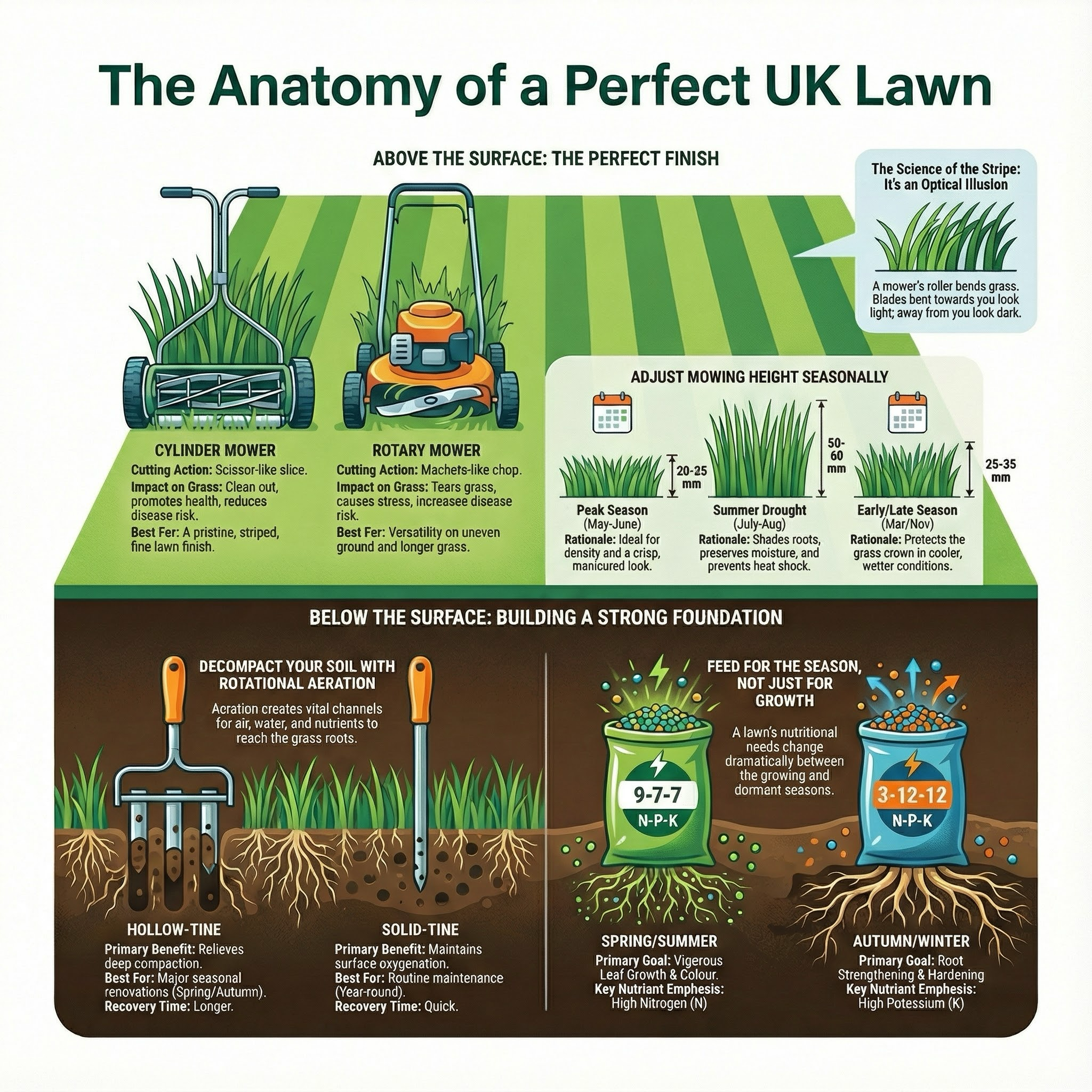
Grass Cutting explained
In the UK, the growing season typically runs from March to October, demanding consistent attention to keep growth under control. Hiring a professional not only saves you hours of manual labour but also ensures the use of commercial-grade equipment for a finish that DIY tools often struggle to replicate.
Prices for garden maintenance vary based on your location in the UK, the size of the plot, and how overgrown the vegetation has become. Most gardeners offer a discounted rate for regular fortnightly visits compared to one-off "jungle clearances."
| Service Type | Low £ | High £ | Notes |
|---|---|---|---|
| Small Lawn Mow (Regular) | £30 | £50 | Up to 100m², includes edging. |
| Large Lawn Mow (Regular) | £60 | £120 | Over 250m², may require ride-on mower. |
| Hedge Trimming (Hourly) | £35 | £55 | Per person; higher for specialist topiary. |
| Green Waste Disposal | £15 | £45 | Per load/bag if not using your brown bin. |
| One-off Garden Clearance | £200 | £600 | Heavy pruning and multiple waste loads. |
Factors that increase the price include steep inclines, limited access (carrying equipment through a house), and the presence of obstacles like trampolines or garden furniture that need moving. Always clarify if VAT is included in your quote, as many independent gardeners operate below the VAT threshold.
While grass cutting is a common DIY task, achieving a professional "striped" finish requires high-end roller mowers that are expensive to purchase and maintain. Hedge trimming is significantly more demanding; working at height with heavy power tools carries safety risks and requires physical stamina.
Professional gardeners carry Public Liability Insurance and have the expertise to spot lawn diseases or pest infestations before they destroy your garden.
If you choose the DIY route, ensure you are aware of the Wildlife and Countryside Act regarding nesting birds. For professionals, check if they hold a Waste Carrier Licence if they intend to take your garden clippings away in their vehicle.
During the peak growing season (April to September), fortnightly cuts are standard. In very wet or warm springs, you may require weekly mowing to keep the lawn healthy and manageable.
Legally, you must not disturb nesting birds. Most gardeners will perform a visual inspection; if nests are found, the work must be delayed until the chicks have fledged, typically after August.
Yes, professional gardeners provide all mowers, strimmers, and hedge cutters. They will also provide their own fuel and safety gear, so you don't need to provide anything but access.
Light drizzle is usually fine for hedge trimming, but most professionals avoid mowing in heavy rain as it smears the soil, clumps the clippings, and can damage the lawn's surface.
A gardener focuses on maintenance (mowing, pruning, weeding), whereas a landscaper handles "hard" projects like laying patios, building walls, or installing new turf and drainage.
This guide was written with AI assistance and is intended for general information only. Prices are estimates based on UK averages and may vary by region. Always get at least three quotes and consult a qualified professional before starting any work.
Ask follow-ups in plain English. The AI explains options, sequencing and what to ask the grass cutting — so you walk in informed.
Lawn Treatment Guide Scope of Works Site walk‑through & debris removal – clear stones, toys and branches before machinery starts. Set mower height & cut...
READ GUIDE →GuideRegular lawn mowing is the foundation of a healthy, attractive UK garden. Beyond simple aesthetics, a consistent cutting regime encourages thicker growth, suppr...
READ GUIDE →GuideMaintaining a lush, healthy lawn is a priority for many UK homeowners, but the British climate often makes grass cutting a relentless chore. Between the "spring...
READ GUIDE →GuideMaintaining a lawn in the UK’s damp, temperate climate is a year-round commitment that significantly impacts your property's kerb appeal. Professional grass and...
READ GUIDE →GuideA lush, neatly edged lawn is the centrepiece of any British garden, providing a clean backdrop for flower beds and a safe space for families to relax. Keeping o...
READ GUIDE →GuideMaintaining a neat, healthy lawn is a priority for many UK homeowners, but the British climate means grass growth can be aggressive and unpredictable. Professio...
READ GUIDE →