Instant
01 · Ask
Ask the AI a follow-up
Got more questions about biometric Access Control Installation? Describe the bit you're unsure about — the AI explains options, sequencing and what to ask the alarms & security.

Fingerprint, face or palm-vein entry — enrolment, anti-tailgate and a fail-safe override your fitters explain.
You've read the brief on biometric Access Control Installation. Now lean on us to find the right alarms & security — and stay in control of the job.
Got more questions about biometric Access Control Installation? Describe the bit you're unsure about — the AI explains options, sequencing and what to ask the alarms & security.
Costs, timelines, pitfalls and the right questions to ask before any alarms & security starts on biometric Access Control Installation.
Itemised quotes from up to 3 local alarms & securitys on biometric Access Control Installation — so you can compare like-for-like, not lump sums.
Ready when you are
Enter your postcode and get free quotes from local pros.
Four moves that separate a smooth job from a nightmare.
Direct sunlight can "blind" some facial recognition cameras; ensure your installer checks for glare during the survey.
Fingerprint readers can fail if the glass is smeared; regular cleaning with a microfibre cloth is essential.
In a fire, the system must fail "open" or have a mechanical override (like a thumb-turn) to ensure you aren't trapped inside.
If the system relies on the cloud for verification, a poor Wi-Fi signal can lead to frustrating delays at your front door.
Indicative UK ranges and what affects price.
By job type
Quote spread is typically ± 18% — always get 3 quotes.
Alarms & Security quick-view
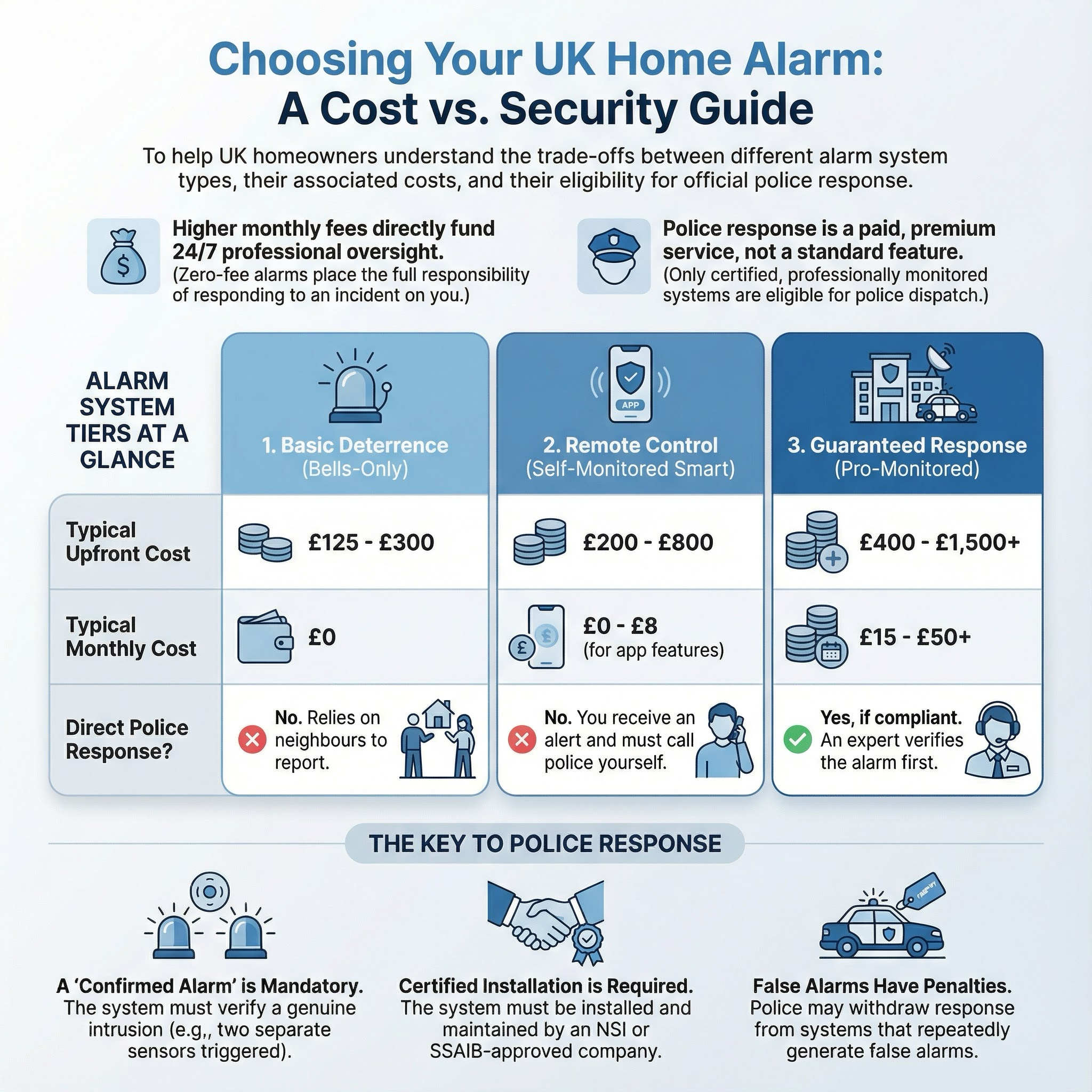
Alarms & Security explained
Whether you are looking to secure a front door, a home office, or a high-value outbuilding, these systems offer a sophisticated layer of protection. This guide covers everything you need to know about the installation process, costs, and essential UK regulations for 2025/26.
The cost of biometric installation varies based on the technology used—fingerprint scanners are generally more affordable than advanced 3D facial recognition systems.
| Item | Low £ | High £ | Notes |
|---|---|---|---|
| Entry-Level Fingerprint Reader | £450 | £750 | Single door, standalone unit. |
| Facial Recognition System | £850 | £1,600 | High-end hardware with IR sensors. |
| Labour (Installation & Setup) | £250 | £500 | Per door, depending on wiring complexity. |
| Annual Maintenance/Support | £80 | £150 | Optional software updates and cleaning. |
| Total (Single Door Setup) | £700 | £2,100 | Inc. VAT and basic hardware. |
Factors affecting the final price include the "fail-secure" requirements of your door, whether you need a battery backup, and the distance between the door and your router or control panel.
While some "smart locks" with fingerprint pads are marketed as DIY-friendly, a full biometric access control system should be installed by a professional. These systems involve precise electrical wiring and the physical modification of door frames, which can compromise your home's fire rating or security if done incorrectly.
Note: Professional installers ensure the system complies with UK electrical safety standards and that the data encryption used to store your "biometric templates" is bank-grade.
No system is 100% foolproof, but high-quality biometric systems use encrypted "templates" rather than actual images of your fingerprint. This means even if the data is stolen, it cannot be reconstructed into a usable image.
Most professional installations include a battery backup (UPS) that lasts for several hours. Additionally, UK regulations usually require a mechanical key override or a "fail-safe" mode to ensure the door can still be opened.
Modern facial recognition handles glasses, hats, and minor facial hair changes easily. For fingerprint systems, it is standard practice to enrol at least two different fingers during setup as a backup.
This depends on the system. High-security setups store data locally on the reader or a secure controller in your home. Cheaper "smart" devices may use cloud storage; always check the privacy policy before buying.
Yes. Most biometric locks for the UK market are "hybrid" models that include a concealed key cylinder for emergency use or for guests who haven't been enrolled in the system.
This guide was written with AI assistance and is intended for general information only. Prices are estimates based on UK averages and may vary by region. Always get at least three quotes and consult a qualified professional before starting any work.
Ask follow-ups in plain English. The AI explains options, sequencing and what to ask the alarms & security — so you walk in informed.
Removing an old or obsolete alarm system is a common task for UK homeowners, especially when upgrading to smart technology or during home renovations. A redunda...
READ GUIDE →GuideFor UK homeowners who operate home-based workshops, laboratories, or studios involving hazardous chemicals, a functioning emergency eyewash station is a critica...
READ GUIDE →GuideElectric gates are a premium addition to any UK home, offering enhanced security, privacy, and significant kerb appeal. For many homeowners, the convenience of ...
READ GUIDE →GuideA malfunctioning CCTV system is more than just a technical glitch; it is a significant security gap that can leave your UK home vulnerable and potentially inval...
READ GUIDE →GuideWhen a burglar alarm triggers unexpectedly or shows a persistent fault code, it is more than just a noise nuisance. A malfunctioning security system leaves your...
READ GUIDE →GuideA functional gate is the first line of defence for your UK home, providing essential security, privacy, and kerb appeal. Whether it is a sagging timber side gat...
READ GUIDE →