Instant
01 · Ask
Ask the AI a follow-up
Got more questions about mini/Micro Digger Hire? Describe the bit you're unsure about — the AI explains options, sequencing and what to ask the hire services.

1.5-3t mini or micro digger — for garden excavation, drainage or foundation work.
You've read the brief on mini/Micro Digger Hire. Now lean on us to find the right hire services — and stay in control of the job.
Got more questions about mini/Micro Digger Hire? Describe the bit you're unsure about — the AI explains options, sequencing and what to ask the hire services.
Costs, timelines, pitfalls and the right questions to ask before any hire services starts on mini/Micro Digger Hire.
Itemised quotes from up to 3 local hire servicess on mini/Micro Digger Hire — so you can compare like-for-like, not lump sums.
Ready when you are
Enter your postcode and get free quotes from local pros.
Four moves that separate a smooth job from a nightmare.
Hitting a water main or electric cable is dangerous and incredibly expensive to repair. Always use a CAT scanner before digging.
Homeowners often forget to account for the width of the "slew" (the back of the cab swinging out) which can hit walls or fences.
Heavy steel or even rubber tracks can ruin a driveway or lawn; always ask for ground protection mats if working on finished surfaces.
Micro diggers are top-heavy. Operating on a slope or soft mud without bog mats can lead to the machine tipping or sinking.
Indicative UK ranges and what affects price.
By job type
Quote spread is typically ± 18% — always get 3 quotes.
Hire Services quick-view
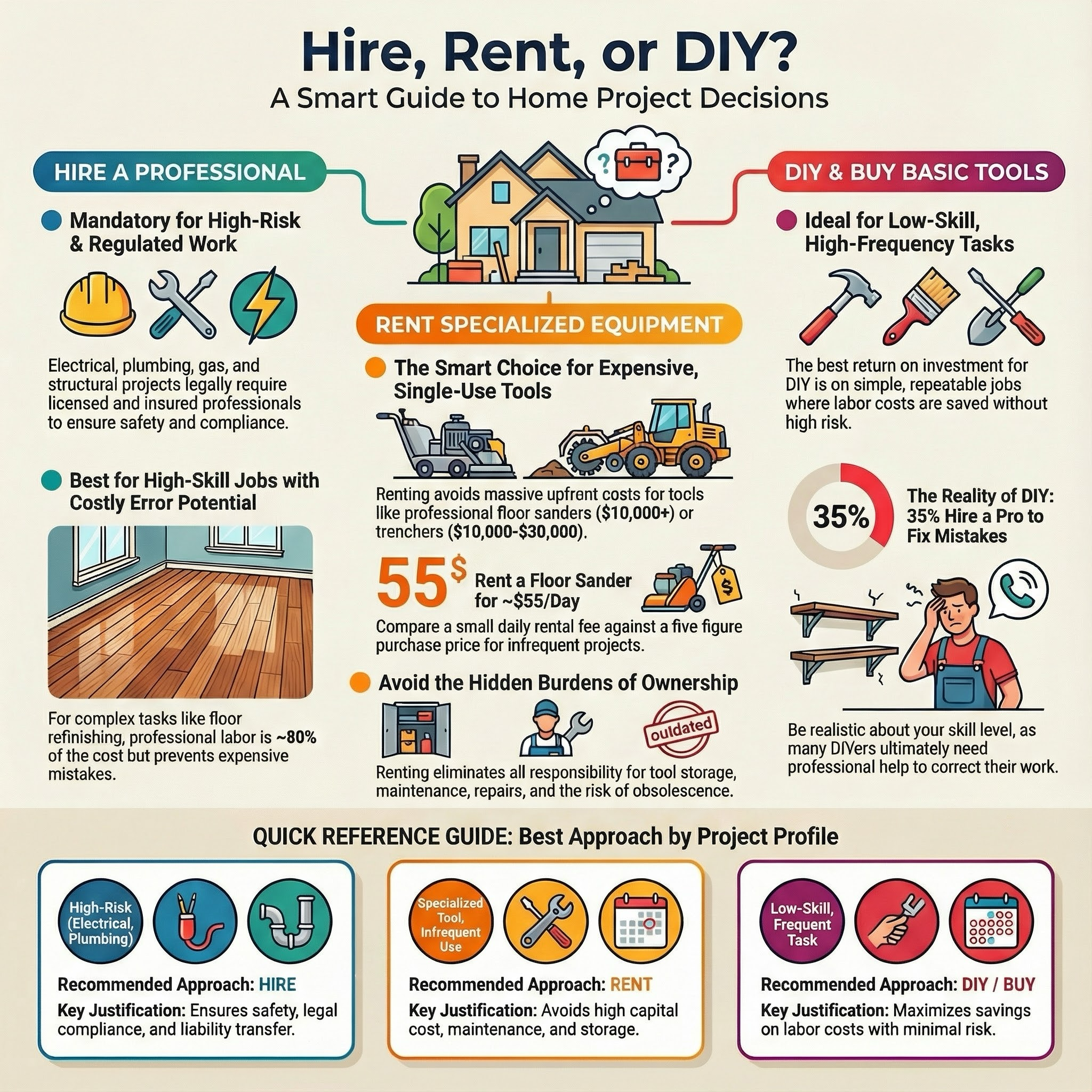
While micro diggers are designed to fit through a standard garden gate or even a front door, mini diggers offer more power for heavier excavation. Understanding the logistics of plant hire ensures your project stays on track and avoids costly damage to your property.
Prices for digger hire in the UK vary based on your location and the duration of the hire. Weekly rates offer significantly better value than single-day rentals.
| Item | Low £ | High £ | Notes |
|---|---|---|---|
| Micro Digger (Daily) | £80 | £120 | Fits through 700mm-800mm gaps. |
| Mini Digger (Daily) | £110 | £170 | 1.5t to 2.5t models. |
| Weekly Hire (All types) | £250 | £480 | Usually covers 5 to 7 days. |
| Delivery & Collection | £40 | £100 | Flat fee based on mileage. |
| Operated Hire (Per Day) | £300 | £500 | Includes machine and professional driver. |
| Damage Waiver/Insurance | £25 | £60 | Protects against theft or accidental damage. |
Factors affecting the price include fuel surcharges, the need for specialized attachments like augers or peckers, and whether you require a "self-drive" or "operated" hire service.
Hiring a "self-drive" digger is popular for DIYers, but there is a steep learning curve. While you don't need a specific license to operate a digger on private land, you are responsible for any damage to underground utilities or the machine itself.
Expert Tip: If you have never used a digger before, consider "Operated Hire." A professional can often finish in four hours what might take an amateur two days, often saving you money on multi-day hire and skip rentals.
Questions to ask:
No, you do not need a driving license or a CPCS card to operate a digger on private property. However, you cannot drive the machine on public roads without a valid license and appropriate vehicle registration.
Most micro diggers (like the Kubota K008-3) feature retractable tracks that narrow to about 700mm, allowing them to fit through a standard 762mm internal door or garden gate.
Since April 2022, most plant hire in the UK must use standard white diesel (the same as a diesel car). Using red diesel can result in heavy fines from HMRC.
Unless you have taken out a damage waiver or have specific hired-in plant insurance, you will be liable for the full cost of repairs and the loss of hire revenue while the machine is out of action.
A typical 1.5-tonne mini digger has a maximum digging depth of approximately 2.2 to 2.5 metres. A micro digger is usually limited to about 1.7 metres.
This guide was written with AI assistance and is intended for general information only. Prices are estimates based on UK averages and may vary by region. Always get at least three quotes and consult a qualified professional before starting any work.
Ask follow-ups in plain English. The AI explains options, sequencing and what to ask the hire services — so you walk in informed.
Scope of Services Assess client’s tool requirements based on project scope and duration Recommend suitable tools and hire packages to meet budget and timeline C...
READ GUIDE →GuideHiring a cherry picker, technically known as a Mobile Elevating Work Platform (MEWP), is often the safest and most efficient way for UK homeowners to tackle hig...
READ GUIDE →GuideScope of Hire Inspect equipment condition and functionality before hire Confirm delivery, setup and return times Provide operational instructions and safety gui...
READ GUIDE →GuideFor UK homeowners embarking on major landscaping, extensions, or driveway renovations, plant hire is the most efficient way to handle heavy-duty tasks. Whether ...
READ GUIDE →GuideScaffolding for a gable end is a critical requirement for any significant work on the side of a UK property, including repointing, bargeboard replacement, or ch...
READ GUIDE →GuideIf you are planning to renovate a shopfront, replace signage, or maintain the upper floors of a commercial building, scaffolding is a non-negotiable safety requ...
READ GUIDE →