Instant
01 · Ask
Ask the AI a follow-up
Got more questions about door installation and painting? Describe the bit you're unsure about — the AI explains options, sequencing and what to ask the windows.

New door fitted and painted — both jobs in one visit by a door fitter + decorator.
You've read the brief on door installation and painting. Now lean on us to find the right windows — and stay in control of the job.
Got more questions about door installation and painting? Describe the bit you're unsure about — the AI explains options, sequencing and what to ask the windows.
Costs, timelines, pitfalls and the right questions to ask before any windows starts on door installation and painting.
Itemised quotes from up to 3 local windowss on door installation and painting — so you can compare like-for-like, not lump sums.
Ready when you are
Enter your postcode and get free quotes from local pros.
Four moves that separate a smooth job from a nightmare.
If hinges aren't recessed correctly or the frame isn't square, the door will rub against the floor or jamb.
Often caused by failing to use a primer or painting over "knots" in the wood without a knotting compound.
Using "contract grade" locks on an external door makes it vulnerable to bumping or snapping.
This happens when the installer fails to seal the top and bottom edges, allowing moisture to enter the grain.
Indicative UK ranges and what affects price.
By job type
Quote spread is typically ± 18% — always get 3 quotes.
Windows quick-view
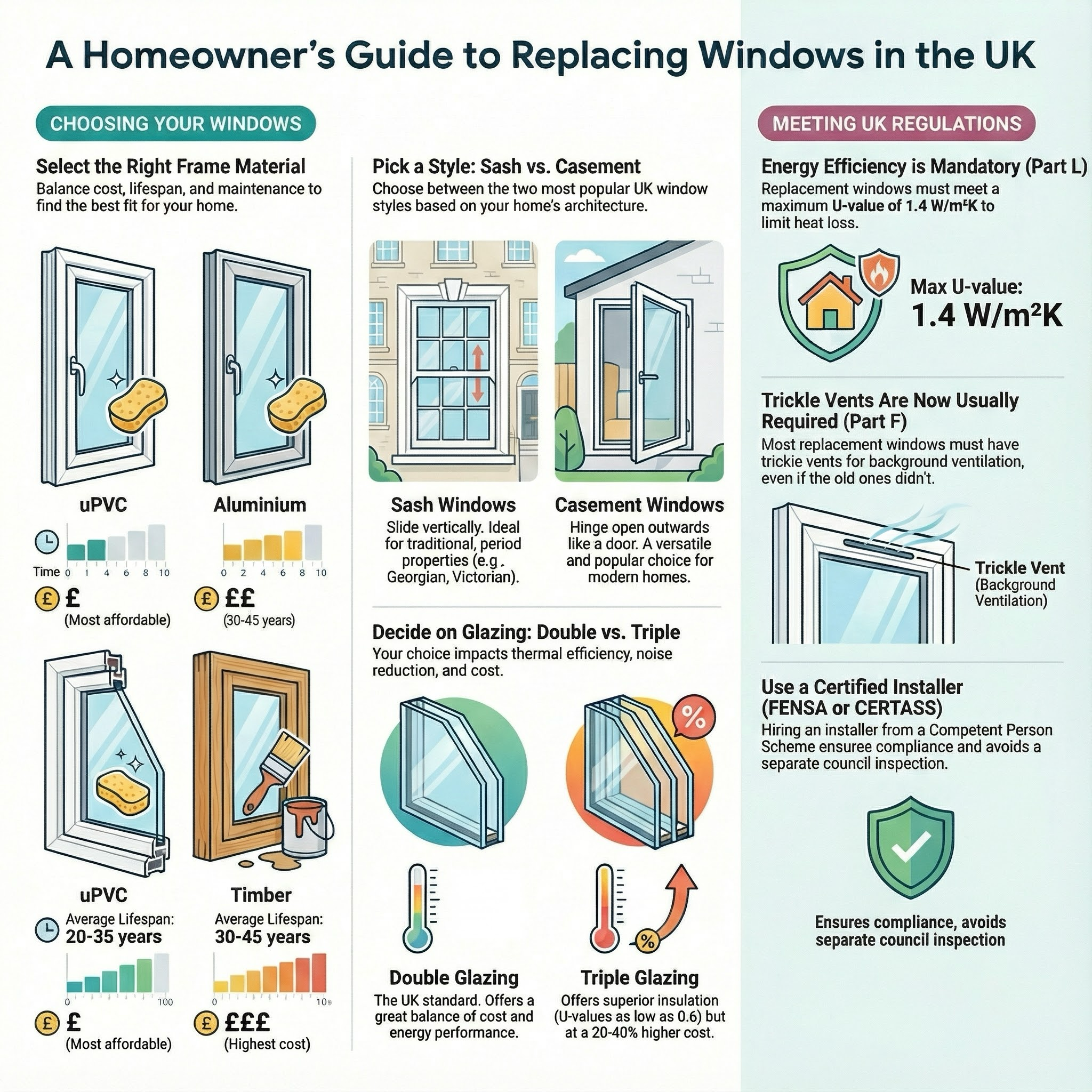
Windows explained
Professional installation ensures the door hangs perfectly, operates smoothly, and provides a tight seal against the elements. A high-quality paint or stain finish then protects the timber from moisture and wear, ensuring your investment lasts for decades rather than years.
Prices vary significantly between simple internal hollow-core doors and high-security external composite or solid oak doors. These estimates include VAT and reflect 2025/26 UK market rates.
| Item | Low £ | High £ | Notes |
|---|---|---|---|
| Internal Door (Supply & Fit) | £180 | £450 | Per door; includes basic hardware and painting. |
| External Front Door (Composite) | £1,200 | £2,500 | Pre-finished; includes frame and high-security locks. |
| External Front Door (Hardwood) | £1,500 | £3,500 | Includes bespoke joinery and professional painting. |
| Painting Labour Only | £120 | £250 | Per door; includes prep and multiple coats. |
| Disposal Fees | £30 | £80 | Waste transfer and recycling of old materials. |
The primary cost drivers are material quality (MDF vs Solid Oak), the complexity of the ironmongery, and whether the frame needs replacing. For external doors, thermal efficiency ratings (U-values) also influence the price point.
While hanging a single internal door is a common DIY task for those with good carpentry skills, external doors are a different matter. Professional installation is highly recommended for external doors to ensure compliance with Building Regulations (Part L) regarding thermal insulation and security.
Professional joiners have the specialist tools, such as routers and sharp chisels, required to create the clean recesses needed for a "factory finish" that DIYers often struggle to replicate.
If you are installing a fire door, it must be fitted by a competent person to ensure it meets life-safety standards. Incorrectly fitted fire seals or hinges can render the door useless in an emergency.
Yes, but it requires specific preparation. You must lightly sand the factory finish to create a "key" for the new paint and use a high-adhesion primer like Zinsser BIN before applying your topcoats.
Timber is a natural material that expands when humidity is high. If the door wasn't sealed properly on all six sides, it absorbs moisture and swells. A professional can plane the edges and reseal it to fix this.
Not always. If the existing frame is square, rot-free, and sturdy, you can simply "hang" a new door. However, for external doors, buying a "pre-hung" set (door and frame together) usually provides better security and weatherproofing.
A fire door (usually FD30) is designed to resist fire for at least 30 minutes. You typically need them in doors leading to an integral garage, in loft conversions, or in flats that open onto a communal hallway.
For a professional finish on bare wood, you should apply one coat of primer/undercoat and two topcoats of eggshell, satin, or gloss. Always sand lightly between coats for the smoothest result.
This guide was written with AI assistance and is intended for general information only. Prices are estimates based on UK averages and may vary by region. Always get at least three quotes and consult a qualified professional before starting any work.
Ask follow-ups in plain English. The AI explains options, sequencing and what to ask the windows — so you walk in informed.
Roof windows, often referred to by the popular brand name Velux, are a brilliant way to transform dark lofts and extensions into bright, airy living spaces. How...
READ GUIDE →GuideSash windows are a defining feature of British period properties, offering timeless aesthetic appeal and vital ventilation. However, whether due to a stray foot...
READ GUIDE →GuideUpgrading to a modern uPVC door is one of the most effective ways for UK homeowners to improve property security and thermal efficiency. Modern uPVC (unplastici...
READ GUIDE →GuideAdding a roof window is one of the most effective ways to transform a dark, cramped attic or extension into a bright and airy living space. Beyond the aesthetic...
READ GUIDE →GuideReplacing a door is one of the most effective ways to improve your home’s security, energy efficiency, and aesthetic appeal. Whether you are upgrading an old dr...
READ GUIDE →GuideWhether you are converting a former high-street shop into a modern residence or installing expansive, commercial-grade glazing in a contemporary home extension,...
READ GUIDE →