Instant
01 · Ask
Ask the AI a follow-up
Got more questions about fire door repairs? Describe the bit you're unsure about — the AI explains options, sequencing and what to ask the windows.

FD30 or FD60 fire-door damage — repaired or replaced to maintain fire-rating compliance.
You've read the brief on fire door repairs. Now lean on us to find the right windows — and stay in control of the job.
Got more questions about fire door repairs? Describe the bit you're unsure about — the AI explains options, sequencing and what to ask the windows.
Costs, timelines, pitfalls and the right questions to ask before any windows starts on fire door repairs.
Itemised quotes from up to 3 local windowss on fire door repairs — so you can compare like-for-like, not lump sums.
Ready when you are
Enter your postcode and get free quotes from local pros.
Four moves that separate a smooth job from a nightmare.
If the gap between the door and frame is more than 4mm (or less than 2mm), the door may not perform correctly or may bind during an emergency.
Painting over intumescent strips or smoke seals prevents them from expanding in heat, rendered them useless.
Using a domestic "perko" closer on a door that requires a heavy-duty overhead closer often results in the door failing to latch.
Replacing broken glass with standard 4mm float glass is a major safety risk; only specialist fire glass must be used.
Indicative UK ranges and what affects price.
By job type
Quote spread is typically ± 18% — always get 3 quotes.
Windows quick-view
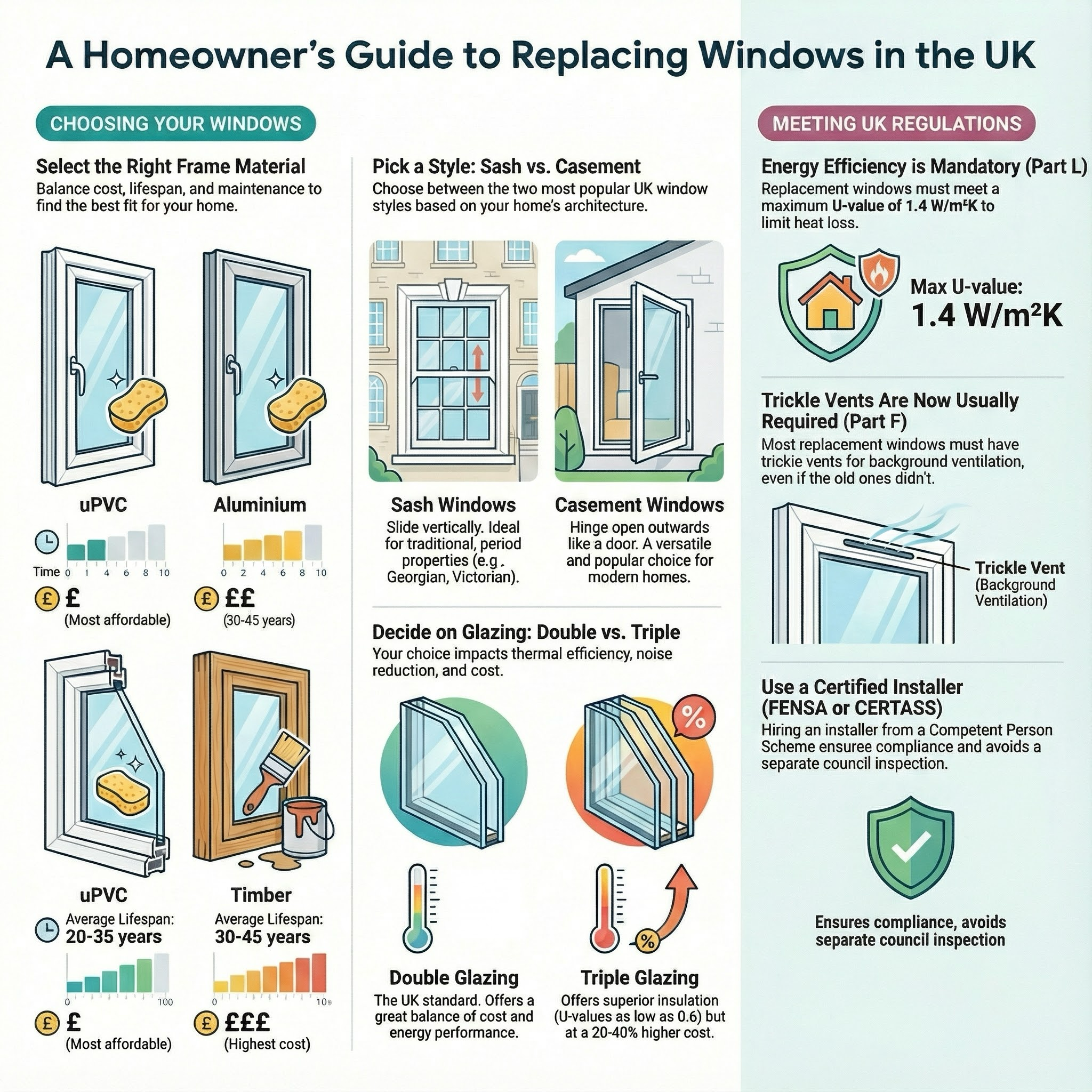
Windows explained
Maintaining these doors isn't just about aesthetics; it is a legal and functional necessity. Over time, building movement, heavy use, or DIY "fixes" can compromise a door’s integrity, making professional repairs essential to ensure the door performs as intended during an emergency.
The cost of fire door repairs varies significantly based on whether you are simply replacing a seal or if the entire door leaf needs to be swapped out due to warping or damage. Prices below include VAT and reflect current UK market rates for 2025/26.
| Item | Low £ | High £ | Notes |
|---|---|---|---|
| Call-out / Initial Inspection | £90 | £160 | Covers travel and first 30-60 mins of assessment. |
| Intumescent Seal Replacement | £120 | £250 | Per door, including materials and labour. |
| Hinge / Closer Replacement | £150 | £350 | Includes fire-rated hardware and adjustment. |
| Full Door Leaf Replacement | £600 | £1,400 | Includes new FD30/60 leaf, ironmongery, and fitting. |
| Professional Certification | £100 | £250 | Formal paperwork for landlords or commercial compliance. |
Total project costs are heavily influenced by the fire rating required (FD60 is more expensive than FD30) and the finish of the door. Bespoke timber veneers or specialist acoustic fire doors will sit at the higher end of the pricing scale.
While a competent DIYer might be able to fit a standard internal door, fire door repairs should almost always be handled by a professional. Fire doors are regulated safety devices; if a seal is the wrong size or a hinge isn't fire-rated, the door may fail in minutes during a fire.
For landlords and HMO owners, using a certified fire door inspector or installer is often a legal requirement under the Regulatory Reform (Fire Safety) Order 2005 to ensure the property remains compliant and insured.
Questions to ask:
Yes, you can paint the door leaf and frame, but you must never paint over the intumescent strips, smoke seals, or the fire rating label on the top or side of the door. Use standard decorative paint; fire-retardant paint is usually only required for specific wall surfaces, not the door itself.
In a standard domestic setting, an annual check is recommended. For HMOs or communal areas in flats, the law often requires 6-monthly inspections, while high-rise buildings over 11m require quarterly checks of communal doors.
Not necessarily. If the frame is structurally sound and securely fixed to the wall, a specialist can often "re-line" the frame or simply replace the door leaf. However, if the frame is charred, warped, or incorrectly installed, a full replacement is required.
An intumescent fire seal expands when exposed to heat to seal the gap between the door and frame. A smoke seal (often a brush or rubber fin) stops cold smoke from passing through before the fire gets hot enough to activate the intumescent strip. Most modern fire doors use a combined seal.
Look for a colour-coded plug (usually on the hinge edge) or a label on the top edge of the door. FD30 doors are typically 44mm thick, whereas standard internal doors are 35mm. You should also see fire-rated hinges (usually three) and a self-closing device.
This guide was written with AI assistance and is intended for general information only. Prices are estimates based on UK averages and may vary by region. Always get at least three quotes and consult a qualified professional before starting any work.
Ask follow-ups in plain English. The AI explains options, sequencing and what to ask the windows — so you walk in informed.
Roof windows, often referred to by the popular brand name Velux, are a brilliant way to transform dark lofts and extensions into bright, airy living spaces. How...
READ GUIDE →GuideSash windows are a defining feature of British period properties, offering timeless aesthetic appeal and vital ventilation. However, whether due to a stray foot...
READ GUIDE →GuideUpgrading to a modern uPVC door is one of the most effective ways for UK homeowners to improve property security and thermal efficiency. Modern uPVC (unplastici...
READ GUIDE →GuideAdding a roof window is one of the most effective ways to transform a dark, cramped attic or extension into a bright and airy living space. Beyond the aesthetic...
READ GUIDE →GuideReplacing a door is one of the most effective ways to improve your home’s security, energy efficiency, and aesthetic appeal. Whether you are upgrading an old dr...
READ GUIDE →GuideWhether you are converting a former high-street shop into a modern residence or installing expansive, commercial-grade glazing in a contemporary home extension,...
READ GUIDE →