Instant
01 · Ask
Ask the AI a follow-up
Got more questions about secondary Glazing Installation? Describe the bit you're unsure about — the AI explains options, sequencing and what to ask the windows.

Internal secondary glazing — fits over existing windows. Adds insulation and soundproofing without replacing windows.
You've read the brief on secondary Glazing Installation. Now lean on us to find the right windows — and stay in control of the job.
Got more questions about secondary Glazing Installation? Describe the bit you're unsure about — the AI explains options, sequencing and what to ask the windows.
Costs, timelines, pitfalls and the right questions to ask before any windows starts on secondary Glazing Installation.
Itemised quotes from up to 3 local windowss on secondary Glazing Installation — so you can compare like-for-like, not lump sums.
Ready when you are
Enter your postcode and get free quotes from local pros.
Four moves that separate a smooth job from a nightmare.
If the primary window is not perfectly sealed or the secondary unit lacks a small vent, moisture can become trapped between the panes.
Poorly planned installations can make it impossible to clean the back of the original glass or operate the original catches.
If the secondary frame touches the primary frame directly without an insulation break, sound vibrations will pass straight through.
Plastic or thin acrylic sheets can yellow over time and scratch easily compared to glass.
Indicative UK ranges and what affects price.
By job type
Quote spread is typically ± 18% — always get 3 quotes.
Windows quick-view
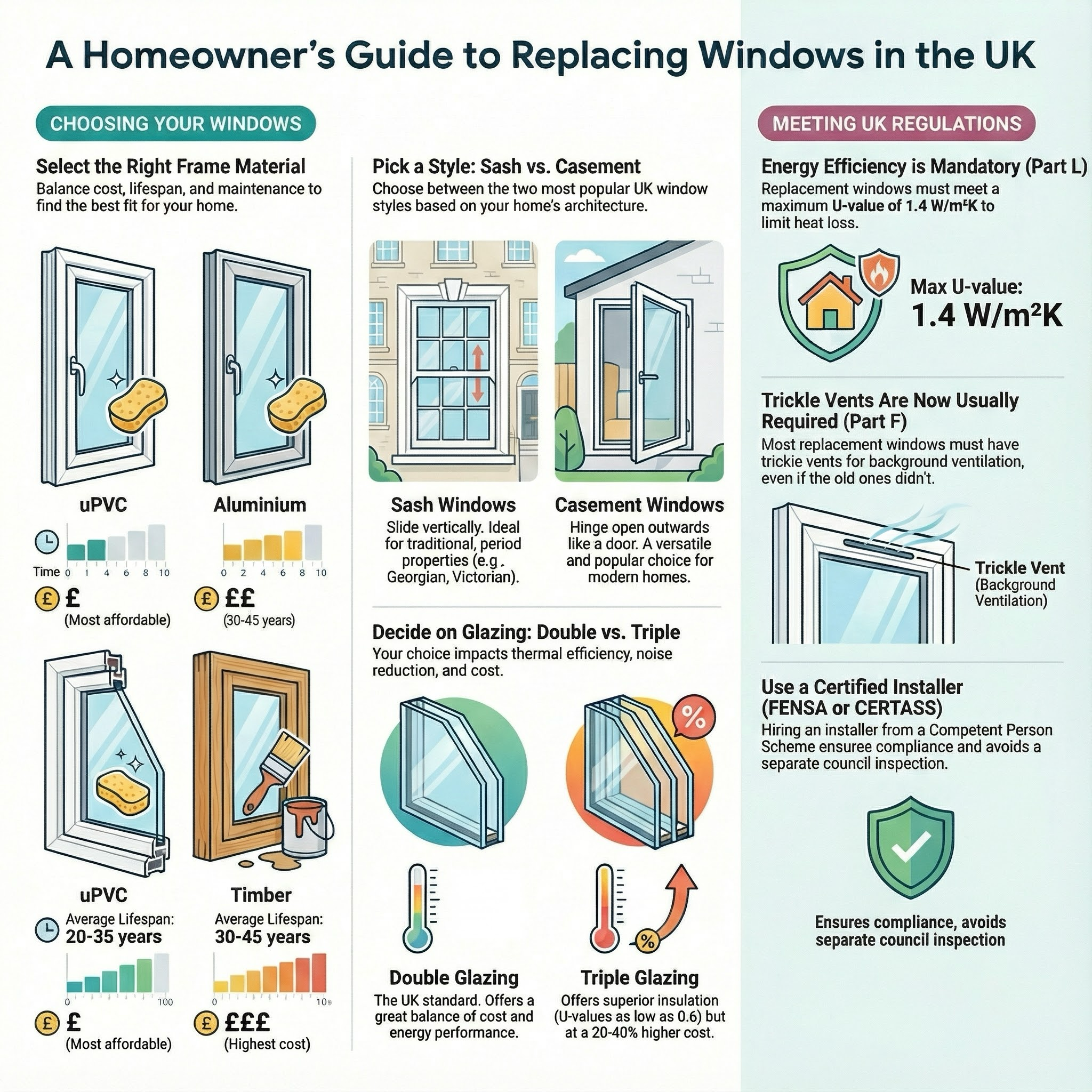
Windows explained
For UK homeowners living in conservation areas or listed buildings, secondary glazing is often the only viable option to reduce heat loss and block external noise. It is significantly more affordable than full window replacement and causes minimal disruption to your home's fabric.
Prices for secondary glazing vary based on the frame material, glass type, and the complexity of the opening mechanism. Professional installation typically accounts for 20-30% of the total project cost.
| Item | Low £ | High £ | Notes |
|---|---|---|---|
| Fixed Unit (Per Window) | £250 | £450 | Non-opening, basic thermal glass. |
| Horizontal/Vertical Slider | £400 | £750 | Allows access to primary window. |
| Acoustic Glass Upgrade | £100 | £250 | Additional cost per unit for 6.4mm+ laminate. |
| Full 3-Bed House (8 Windows) | £3,500 | £6,500 | Based on a mix of sliding and fixed units. |
| Labour (Day Rate) | £250 | £450 | Per installer; larger jobs need two people. |
Costs are influenced by the size of the windows and the "reveal" depth. Bespoke shapes, such as arched or circular windows, can increase prices by 50% or more due to specialist manufacturing requirements.
While basic magnetic or film-based kits are available for DIY enthusiasts, they lack the durability and airtightness of professional systems. Professional installation is highly recommended for permanent aluminium systems, especially for large sash windows or when acoustic performance is the priority.
Professional installers ensure the "air gap" is optimised—usually between 100mm and 200mm—to achieve maximum sound reduction, which is difficult to manage with DIY kits.
Yes, often it is. Because secondary glazing allows for a much larger air gap (up to 200mm) than standard double glazing (16-20mm), it is significantly more effective at blocking low-frequency traffic noise.
It can reduce it by keeping the inner glass warmer, but it won't "cure" it if there is high humidity in the room. Proper balanced ventilation is required to ensure moisture doesn't get trapped between the two windows.
Yes, provided you choose a sliding or hinged system. These are designed to align with your existing window's opening mechanism so you can still access the handles and open both panes.
Secondary glazing can reduce heat loss through windows by up to 60%. For a typical UK home, this can translate to a saving of £100–£150 per year, though the primary benefit is often improved comfort and fewer draughts.
If installed correctly, secondary glazing is virtually invisible from the street. The frames are designed to be slimline and are usually colour-matched to your existing window frames or masonry.
This guide was written with AI assistance and is intended for general information only. Prices are estimates based on UK averages and may vary by region. Always get at least three quotes and consult a qualified professional before starting any work.
Ask follow-ups in plain English. The AI explains options, sequencing and what to ask the windows — so you walk in informed.
Roof windows, often referred to by the popular brand name Velux, are a brilliant way to transform dark lofts and extensions into bright, airy living spaces. How...
READ GUIDE →GuideSash windows are a defining feature of British period properties, offering timeless aesthetic appeal and vital ventilation. However, whether due to a stray foot...
READ GUIDE →GuideUpgrading to a modern uPVC door is one of the most effective ways for UK homeowners to improve property security and thermal efficiency. Modern uPVC (unplastici...
READ GUIDE →GuideAdding a roof window is one of the most effective ways to transform a dark, cramped attic or extension into a bright and airy living space. Beyond the aesthetic...
READ GUIDE →GuideReplacing a door is one of the most effective ways to improve your home’s security, energy efficiency, and aesthetic appeal. Whether you are upgrading an old dr...
READ GUIDE →GuideWhether you are converting a former high-street shop into a modern residence or installing expansive, commercial-grade glazing in a contemporary home extension,...
READ GUIDE →