Instant
01 · Ask
Ask the AI a follow-up
Got more questions about ePOS Installation Cost & Work? Describe the bit you're unsure about — the AI explains options, sequencing and what to ask the shop fitting.

Standard or specialist EPOS install — hardware, software and staff training.
You've read the brief on ePOS Installation Cost & Work. Now lean on us to find the right shop fitting — and stay in control of the job.
Got more questions about ePOS Installation Cost & Work? Describe the bit you're unsure about — the AI explains options, sequencing and what to ask the shop fitting.
Costs, timelines, pitfalls and the right questions to ask before any shop fitting starts on ePOS Installation Cost & Work.
Itemised quotes from up to 3 local shop fittings on ePOS Installation Cost & Work — so you can compare like-for-like, not lump sums.
Ready when you are
Enter your postcode and get free quotes from local pros.
Four moves that separate a smooth job from a nightmare.
Relying on standard consumer Wi-Fi often leads to dropped transactions; professional installers will recommend hardwired Ethernet.
Poorly managed cables are prone to being pulled out by staff or damaged by spills; ensure your quote includes cable tidies or trunking.
Buying "cheap" printers or scanners online often leads to driver conflicts; always stick to the installer’s recommended hardware list.
The best system is useless if staff don't know how to process a refund or split a bill; ensure at least 1 hour of training is booked.
Indicative UK ranges and what affects price.
By job type
Quote spread is typically ± 18% — always get 3 quotes.
Shop Fitting quick-view
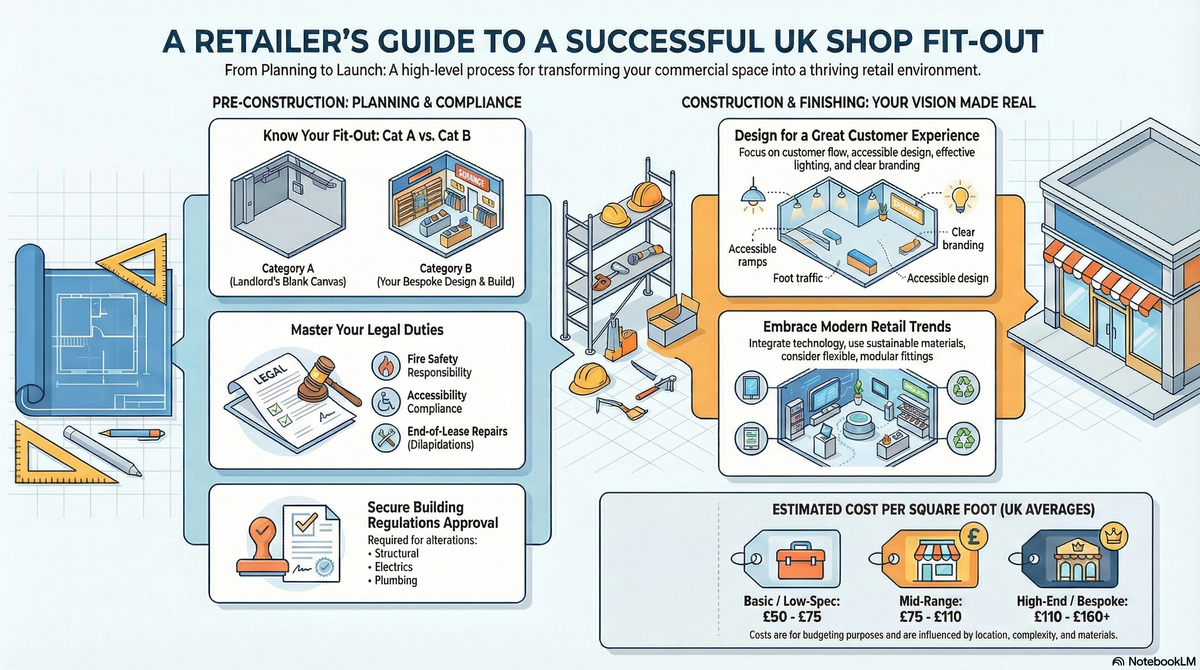
Shop Fitting explained
Investing in a professional installation ensures your hardware is robust, your network is secure, and your payment processing is seamless. This guide breaks down the costs and considerations for a standard UK shop fitting installation in 2025/26.
The total cost of an EPOS installation depends on whether you are buying hardware outright or entering a monthly "Software as a Service" (SaaS) contract. Prices below include VAT and reflect current UK market rates for professional shop fitting services.
| Item | Low £ | High £ | Notes |
|---|---|---|---|
| Basic Single Terminal Setup (Labour) | £250 | £450 | Installation only, excluding hardware. |
| Entry-Level Hardware Bundle | £600 | £1,200 | Tablet-based, printer, and drawer. |
| Premium Multi-Terminal System | £2,500 | £5,000+ | Built-for-purpose hardware for high-volume sites. |
| Network Cabling (per drop) | £75 | £150 | Hardwiring for maximum reliability. |
| Monthly Software Subscription | £30 | £100 | Ongoing cost per terminal. |
Costs are primarily driven by the complexity of your inventory and the number of peripherals required, such as kitchen printers for cafes or weighing scales for grocers. High-end systems often include 24/7 on-site support contracts which add to the initial investment.
While many modern "plug-and-play" systems claim to be DIY-friendly, professional installation is highly recommended for commercial environments. A specialist ensures that cables are hidden to prevent trip hazards and that your network is PCI DSS compliant for secure payments.
If your installation requires new dedicated power circuits or data points, ensure your installer is qualified or works alongside a Part P registered electrician.
EPOS installation falls between shop fitting and IT services. Look for a specialist who understands the physical demands of a retail environment as well as the software technicalities.
Most modern cloud-based EPOS systems are compatible with iPads or Android tablets. However, you will still need professional-grade stands, printers, and a robust network to make them reliable for daily commercial use.
While most systems use the cloud for data backup, many have an "offline mode" that allows you to take payments and process sales even if your internet fails. The system will then sync once the connection is restored.
A cash register simply records sales and holds cash. An EPOS (Electronic Point of Sale) tracks stock levels, monitors staff hours, integrates with your website, and provides detailed financial reporting.
In the UK, you can expect to pay between £30 and £60 per month for a single-terminal retail licence. Hospitality licences with table management features are usually slightly higher, ranging from £50 to £100.
Most installers offer "menu programming" or "inventory upload" as an optional extra. You will usually need to provide your product list and prices in a CSV or Excel format.
This guide was written with AI assistance and is intended for general information only. Prices are estimates based on UK averages and may vary by region. Always get at least three quotes and consult a qualified professional before starting any work.
Ask follow-ups in plain English. The AI explains options, sequencing and what to ask the shop fitting — so you walk in informed.
For UK small business owners and those running retail or hospitality ventures from home, a reliable Point of Sale (PoS) system is the heartbeat of the operation...
READ GUIDE →GuideModern retail is no longer just about shelves and stock. To compete in the current UK market, a physical store must provide a seamless, tech-driven experience t...
READ GUIDE →GuideFor UK independent retailers and boutique owners, the transition from a traditional till to an integrated digital register is a pivotal step in modernising a bu...
READ GUIDE →GuideIntegrating a modern Electronic Point of Sale (EPOS) system is a critical step in any retail or hospitality shop-fitting project. Beyond just a cash register, a...
READ GUIDE →GuideRetail shop fitting and refurbishment. UK costs.
READ GUIDE →GuideRestaurant fit-out cost. UK pricing.
READ GUIDE →