Instant
01 · Ask
Ask the AI a follow-up
Got more questions about false widow spider removal? Describe the bit you're unsure about — the AI explains options, sequencing and what to ask the pest control.

False widow infestation — pesticide spray plus advice on entry-point sealing.
You've read the brief on false widow spider removal. Now lean on us to find the right pest control — and stay in control of the job.
Got more questions about false widow spider removal? Describe the bit you're unsure about — the AI explains options, sequencing and what to ask the pest control.
Costs, timelines, pitfalls and the right questions to ask before any pest control starts on false widow spider removal.
Itemised quotes from up to 3 local pest controls on false widow spider removal — so you can compare like-for-like, not lump sums.
Ready when you are
Enter your postcode and get free quotes from local pros.
Four moves that separate a smooth job from a nightmare.
Homeowners often treat the living room but ignore the loft, which acts as a "nursery" for false widows to repopulate the rest of the house.
Leaving clutter against external walls provides the perfect "harbourage" for spiders to build webs and move indoors.
Spraying without sealing entry points is a temporary fix; spiders will simply crawl back through the same gaps under doors or around pipes.
Over-zealous DIY spraying can kill harmless native spiders that actually compete with and eat false widows.
Indicative UK ranges and what affects price.
By job type
Quote spread is typically ± 18% — always get 3 quotes.
Pest Control quick-view
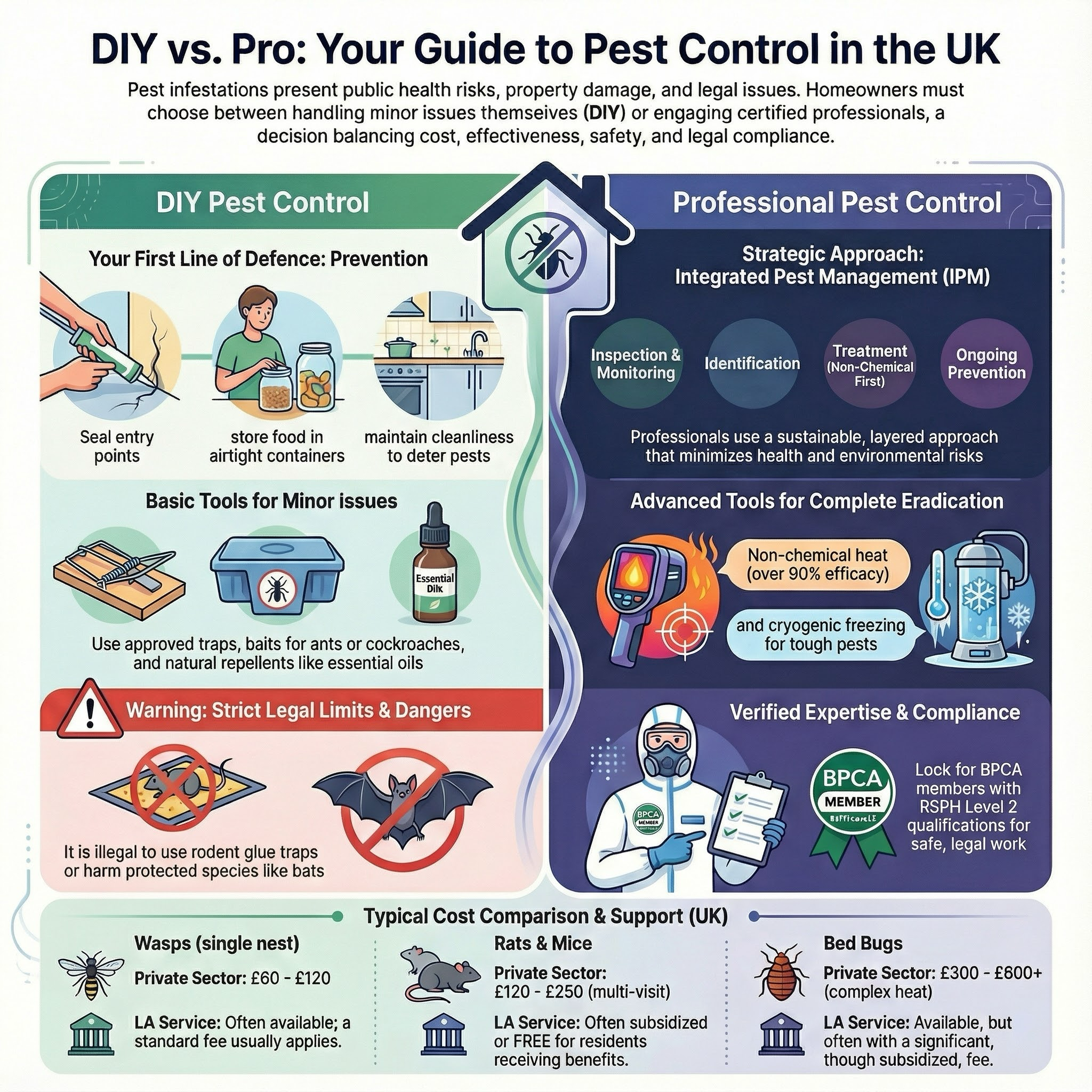
Pest Control explained
While the noble false widow (Steatoda nobilis) is not the "deadly" threat often portrayed in tabloids, it remains the UK’s most venomous spider. For homeowners, an infestation can be distressing, particularly as these spiders frequently move indoors during the colder months to seek warmth in lofts, conservatories, and window frames.
Professional removal ensures that not only are the adult spiders dealt with, but their resilient egg sacs are destroyed and entry points are sealed. This guide covers everything you need to know about the costs, process, and regulations surrounding false widow control in the UK.
A professional pest controller doesn't just spray chemicals; they follow a systematic approach to ensure the infestation is completely eradicated and unlikely to return.
The cost of false widow removal varies based on the size of your property and the accessibility of the infestation. Most UK pest control companies charge a fixed fee for a single-room treatment or a comprehensive "whole house" price.
| Item | Low £ | High £ | Notes |
|---|---|---|---|
| Initial Inspection/Call-out | £80 | £140 | Often deducted from the final bill if work proceeds. |
| Single Room Treatment | £120 | £180 | Includes physical removal and residual spray. |
| Full House & Loft Treatment | £250 | £450 | Standard 3-bed semi-detached property. |
| Specialist Access (High Eaves) | £50 | £150 | Required for work involving long ladders or towers. |
| Follow-up Visit | £60 | £100 | Usually scheduled 2-4 weeks after initial treatment. |
Prices are generally influenced by your location (London and the South East carry a premium) and whether the infestation has spread into difficult-to-reach areas like cavity walls or high rooflines. Most prices quoted by established firms include VAT and a short-term guarantee.
The duration of the visit depends on the severity of the infestation and the size of the area being treated.
While you can buy "spider stop" sprays at local hardware stores, they rarely solve a false widow problem. These spiders are reclusive and hide in deep crevices where DIY aerosols cannot reach. Furthermore, if you miss a single egg sac, which can contain up to 120 spiderlings, the infestation will return within weeks.
Professional pest controllers use industrial-grade residual insecticides that remain active for months, killing any spiders that emerge from hidden spots after the technician has left.
If you choose to tackle it yourself, be aware that false widows can bite if provoked or trapped against skin. While not fatal, the bite is comparable to a wasp sting and can cause localised swelling or, in rare cases, a secondary infection.
Pest control is a regulated industry in the UK. Don't hire a general "handyman" for chemical treatments; you need a specialist.
Pest control in the UK is governed by strict safety and environmental laws to protect the public and non-target species.
Avoid these common pitfalls to ensure your home stays spider-free.
While false widow venom is designed for small prey, a bite can cause discomfort, swelling, or lethargy in pets. Most professional treatments involve "wet" sprays that are safe for pets once completely dry, but you must keep animals out of the room during the application.
False widows have a more bulbous, shiny abdomen, often compared to a marble. They are usually dark brown with pale, "skull-like" markings on their backs. Common house spiders are generally leggier, faster, and have a more "hairy" appearance.
False widows are not aggressive and will generally only bite if they are squeezed or caught in clothing/bedding. The bite is painful but usually only results in localized symptoms. If you experience chest pains or significant swelling, seek medical advice.
Autumn is mating season. Male spiders leave their webs to search for females, which is why they are more visible running across floors or walls. Dropping temperatures also drive them indoors for warmth.
Most reputable UK pest controllers offer a 30 to 90-day guarantee. If you see a significant number of live spiders within this window, they will usually return for a second treatment at no extra cost.
This guide was written with AI assistance and is intended for general information only. Prices are estimates based on UK averages and may vary by region. Always get at least three quotes and consult a qualified professional before starting any work.
Ask follow-ups in plain English. The AI explains options, sequencing and what to ask the pest control — so you walk in informed.
Discovering a rat problem in your UK home is more than just an unpleasant surprise; it is a genuine risk to your property’s integrity and your family’s health. ...
READ GUIDE →GuideA fly infestation in a UK home is more than just a seasonal nuisance; it is a significant hygiene risk. Flies are known carriers of bacteria such as Salmonella ...
READ GUIDE →GuideDiscovering signs of rats in your home is more than just a nuisance; it is a significant health and safety risk. Rats can gnaw through electrical cables, damage...
READ GUIDE →GuideGrey squirrels are more than just a garden nuisance; they are a significant threat to the structural integrity and safety of UK homes. Once they gain access to ...
READ GUIDE →GuideDomestic Pest and Vermin Control Guide Scope of Works Inspect lofts, sub‑floors, kitchens and exterior for signs, entry points and species identification . Prod...
READ GUIDE →GuideFinding maggots in your home is a distressing experience for any UK homeowner. These larvae, typically from houseflies or blowflies, are not just unsightly; the...
READ GUIDE →