Instant
01 · Ask
Ask the AI a follow-up
Got more questions about window display installation? Describe the bit you're unsure about — the AI explains options, sequencing and what to ask the windows.

Shop window display fittings — backboards, lighting, mannequins. By a shop fitter.
You've read the brief on window display installation. Now lean on us to find the right windows — and stay in control of the job.
Got more questions about window display installation? Describe the bit you're unsure about — the AI explains options, sequencing and what to ask the windows.
Costs, timelines, pitfalls and the right questions to ask before any windows starts on window display installation.
Itemised quotes from up to 3 local windowss on window display installation — so you can compare like-for-like, not lump sums.
Ready when you are
Enter your postcode and get free quotes from local pros.
Four moves that separate a smooth job from a nightmare.
Usually caused by poor surface preparation or installing in damp conditions.
Occurs when seals are not properly bedded or if fixings penetrate the drainage channels of the frame.
Using non-UV-stable inks or low-quality vinyl will lead to rapid discolouration in direct sunlight.
Hanging heavy props from frames not designed for the load can lead to warping or glass breakage.
Indicative UK ranges and what affects price.
By job type
Quote spread is typically ± 18% — always get 3 quotes.
Windows quick-view
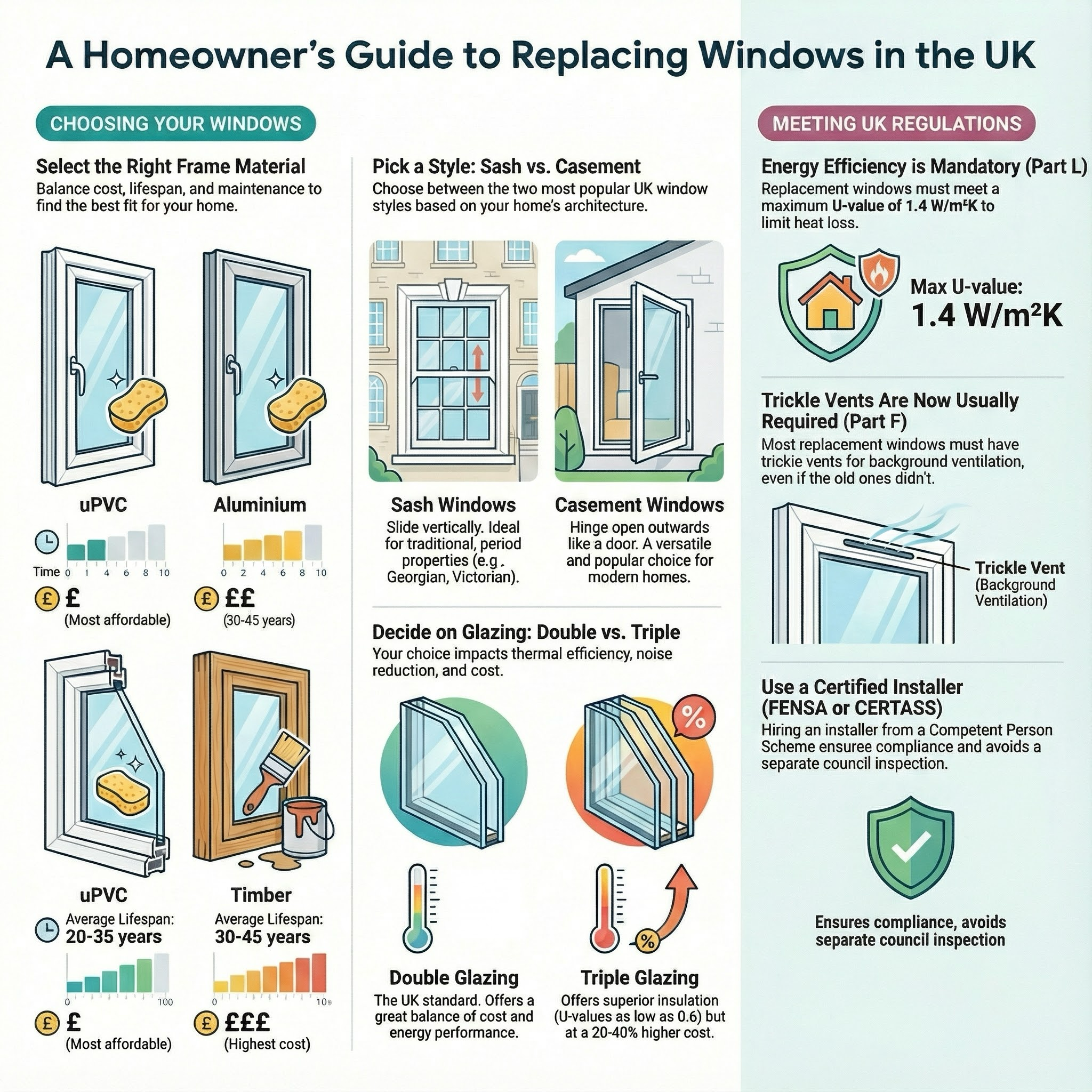
Windows explained
A specialist installer combines technical glazing knowledge with aesthetic precision. This guide covers the essential steps, costs, and regulations involved in creating a professional window display that stands out while protecting your property's structural integrity.
| Item | Low £ | High £ | Notes |
|---|---|---|---|
| Call-out / Minimum Charge | £85 | £150 | Covers travel and first hour on site. |
| Labour (per hour) | £45 | £80 | Per operative; includes VAT. |
| Materials (Vinyl & Props) | £100 | £600 | Highly dependent on custom graphics and specs. |
| Waste Disposal | £30 | £100 | Removal of old displays and packaging. |
| Equipment Hire (Scaffold/MEWP) | £200 | £750 | Required for work above ground floor level. |
| Total Project Cost | £450 | £1,600 | Typical range for a standard single shopfront. |
Costs are primarily driven by the complexity of the design and the height at which the work is performed. Bespoke lighting or high-end architectural panels will significantly increase the material budget, while restricted access may add to labour time.
While basic window decals can be a DIY task, full display installations should be left to professionals. Handling large glass sections, working at height, and installing electrical components carry significant risks.
Professional installers carry the necessary Public Liability insurance and have the equipment to ensure the display does not compromise the window's thermal performance or security.
In the UK, any electrical work connected to the mains must comply with Part P of the Building Regulations. Furthermore, improper fixing techniques can void your window manufacturer's warranty or lead to expensive seal failures.
Questions to ask:
In most residential cases, no. However, for commercial properties, illuminated signs or significant changes to the "character" of the building (especially in conservation areas) usually require Advertisement Consent or Planning Permission.
Yes, but care must be taken. Fixings should never penetrate the glass or the hermetic seal of the unit, as this will cause the window to mist up and lose its insulation properties.
Clean external vinyl with mild soapy water and a soft cloth; avoid pressure washers. Check seals annually for signs of peeling or cracking, especially after extreme weather.
Professional installers use non-permanent adhesives or specialist brackets designed to minimise damage. However, some screw fixings may be necessary for heavy displays, which will leave small holes if removed.
LED strip lighting is the standard choice in the UK due to its low energy consumption, low heat output (which protects the glass), and long lifespan.
This guide was written with AI assistance and is intended for general information only. Prices are estimates based on UK averages and may vary by region. Always get at least three quotes and consult a qualified professional before starting any work.
Ask follow-ups in plain English. The AI explains options, sequencing and what to ask the windows — so you walk in informed.
Roof windows, often referred to by the popular brand name Velux, are a brilliant way to transform dark lofts and extensions into bright, airy living spaces. How...
READ GUIDE →GuideSash windows are a defining feature of British period properties, offering timeless aesthetic appeal and vital ventilation. However, whether due to a stray foot...
READ GUIDE →GuideUpgrading to a modern uPVC door is one of the most effective ways for UK homeowners to improve property security and thermal efficiency. Modern uPVC (unplastici...
READ GUIDE →GuideAdding a roof window is one of the most effective ways to transform a dark, cramped attic or extension into a bright and airy living space. Beyond the aesthetic...
READ GUIDE →GuideReplacing a door is one of the most effective ways to improve your home’s security, energy efficiency, and aesthetic appeal. Whether you are upgrading an old dr...
READ GUIDE →GuideWhether you are converting a former high-street shop into a modern residence or installing expansive, commercial-grade glazing in a contemporary home extension,...
READ GUIDE →