Instant
01 · Ask
Ask the AI a follow-up
Got more questions about furniture collection? Describe the bit you're unsure about — the AI explains options, sequencing and what to ask the furniture repair.

Old sofa, chair, mattress or wardrobe collected — disposed of legally with a waste-transfer note.
You've read the brief on furniture collection. Now lean on us to find the right furniture repair — and stay in control of the job.
Got more questions about furniture collection? Describe the bit you're unsure about — the AI explains options, sequencing and what to ask the furniture repair.
Costs, timelines, pitfalls and the right questions to ask before any furniture repair starts on furniture collection.
Itemised quotes from up to 3 local furniture repairs on furniture collection — so you can compare like-for-like, not lump sums.
Ready when you are
Enter your postcode and get free quotes from local pros.
Four moves that separate a smooth job from a nightmare.
Items not fitting through the door. Solution: Measure the "smallest point" of your hallway and doors before booking.
Unexpected charges for parking fines or stairs. Solution: Be transparent about the floor level and parking restrictions when quoting.
Scuffed walls or chipped door frames. Solution: Ensure the team uses "corner bumpers" and floor protection before they start moving.
No recourse if your £2,000 sofa is ruined. Solution: Always verify insurance documents before the work begins.
Indicative UK ranges and what affects price.
By job type
Quote spread is typically ± 18% — always get 3 quotes.
Furniture Repair quick-view
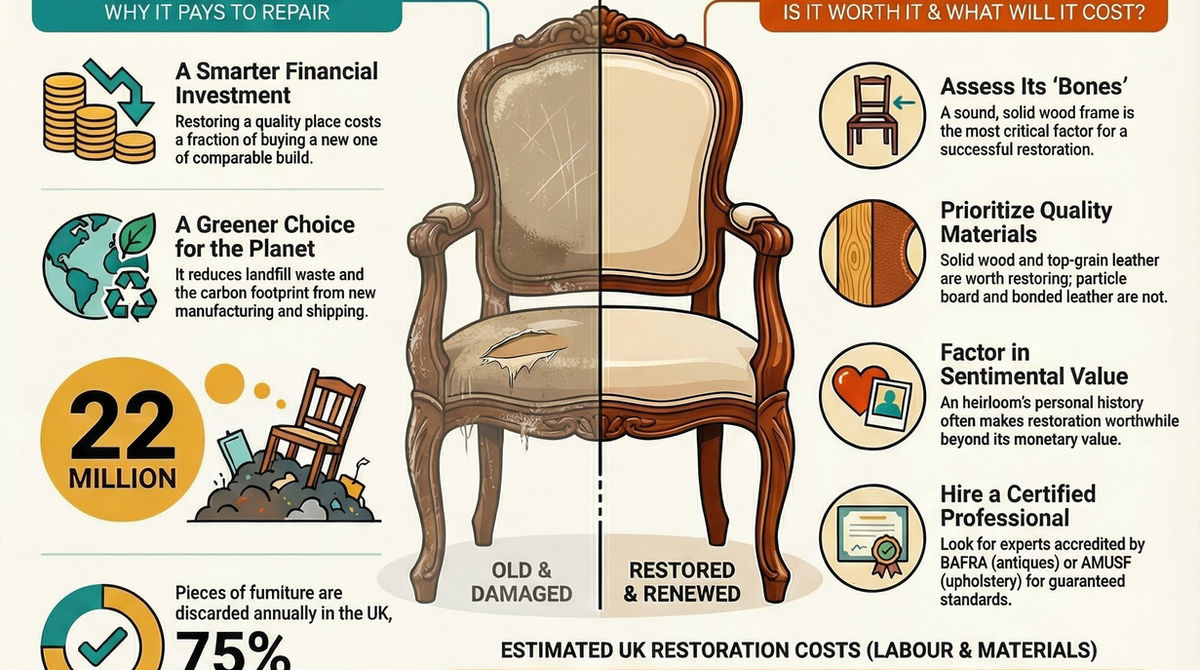
For UK homeowners, hiring a specialist ensures that items are handled with the right equipment—such as transit blankets, straps, and tail lifts—reducing the risk of personal injury or costly repairs to doorways and flooring. This guide covers everything you need to know about the process, costs, and regulations involved.
Prices for furniture collection in the UK vary based on the number of items, your location (London and the South East typically command a premium), and the complexity of access. Most companies charge a minimum call-out fee to cover fuel and initial labour.
| Item / Service | Low £ | High £ | Notes |
|---|---|---|---|
| Minimum Call-out Fee | £70 | £150 | Covers the first 30–60 minutes on-site. |
| Hourly Labour (per person) | £45 | £95 | Two-person teams are standard for heavy items. |
| Specialist Packing Materials | £15 | £50 | Acid-free paper, bubble wrap, or heavy blankets. |
| Disposal / Bulky Waste Fee | £40 | £120 | Includes commercial tipping charges per item. |
| Surcharge (Stairs/No Lift) | £25 | £80 | Applies to flats above the ground floor. |
| Total (Typical Single Item) | £130 | £350 | Includes VAT, transit, and basic insurance. |
Factors that push costs toward the higher end include the need for a second operative, Congestion Charge or ULEZ fees, and long-distance transit. Always confirm if VAT is included in your initial quote.
While moving a small coffee table yourself is straightforward, larger furniture presents significant risks. DIY moves often result in "wall rash" (scuffed paintwork), torn upholstery, or strained backs. Professionals carry Goods in Transit (GIT) and Public Liability Insurance, meaning if they drop your sideboard or dent your skirting board, you are covered.
If an item is an antique or being sent for professional restoration, always choose a specialist. The cost of a professional collection is usually far less than the cost of repairing structural damage caused by an amateur move.
3 Questions to Ask:
Yes. All drawers, cupboards, and wardrobes should be completely empty. This reduces the weight and prevents internal damage from items sliding around during transit.
Most professional teams will, but they may charge a "staircase supplement." You must inform them in advance if there is no lift or if the item is particularly bulky.
Some furniture collection teams offer this as a "bolt-on" service, but many will refuse for insurance reasons. Check if they are qualified to handle plumbing or electrical disconnections.
If the item cannot be dismantled, they may have to leave it. You will usually still be charged the call-out fee. This is why measuring all access points is critical.
Usually, no. Most UK tradespeople will add parking fees, ULEZ, or Congestion Charges to the final invoice. It is best to arrange a parking permit for them if possible.
Ideally, yes. You need to sign the pre-collection damage report and ensure the team has clear access. If you cannot be there, ensure a trusted representative is present to oversee the work.
This guide was written with AI assistance and is intended for general information only. Prices are estimates based on UK averages and may vary by region. Always get at least three quotes and consult a qualified professional before starting any work.
Ask follow-ups in plain English. The AI explains options, sequencing and what to ask the furniture repair — so you walk in informed.
Restoring a cherished piece of furniture is often more cost-effective and sustainable than buying new. Whether it is a family heirloom or a high-quality find th...
READ GUIDE →GuideTable revarnishing is one of the most effective ways to breathe new life into tired furniture. Whether it is a cherished family heirloom, a sturdy oak dining ta...
READ GUIDE →GuideA high-quality sofa is often a significant investment, making professional repair a far more sustainable and cost-effective choice than replacement. Whether it ...
READ GUIDE →GuideA coffee table is often the focal point of a British living room, but years of tea spills, hot mugs, and general wear can leave it looking tired. Restoring a hi...
READ GUIDE →GuideMoth damage can be a distressing discovery for UK homeowners, often affecting expensive wool carpets, heirloom upholstery, or high-end cashmere garments. While ...
READ GUIDE →GuideReupholstering a cherished armchair is a sustainable way to breathe new life into high-quality furniture that has seen better days. Many older UK-made chairs fe...
READ GUIDE →